Discover the history of eco-travel, before it became an Instagram hashtag.
When you hear eco-travel, do you picture a luxury lodge with a composting toilet and a $400 a night price tag ? Same. But here’s the thing : the real story of eco-travel origins has nothing to do with premium bamboo towels. It starts with a biologist in the jungle, and the radical idea that travelers could actually help the places they visit…
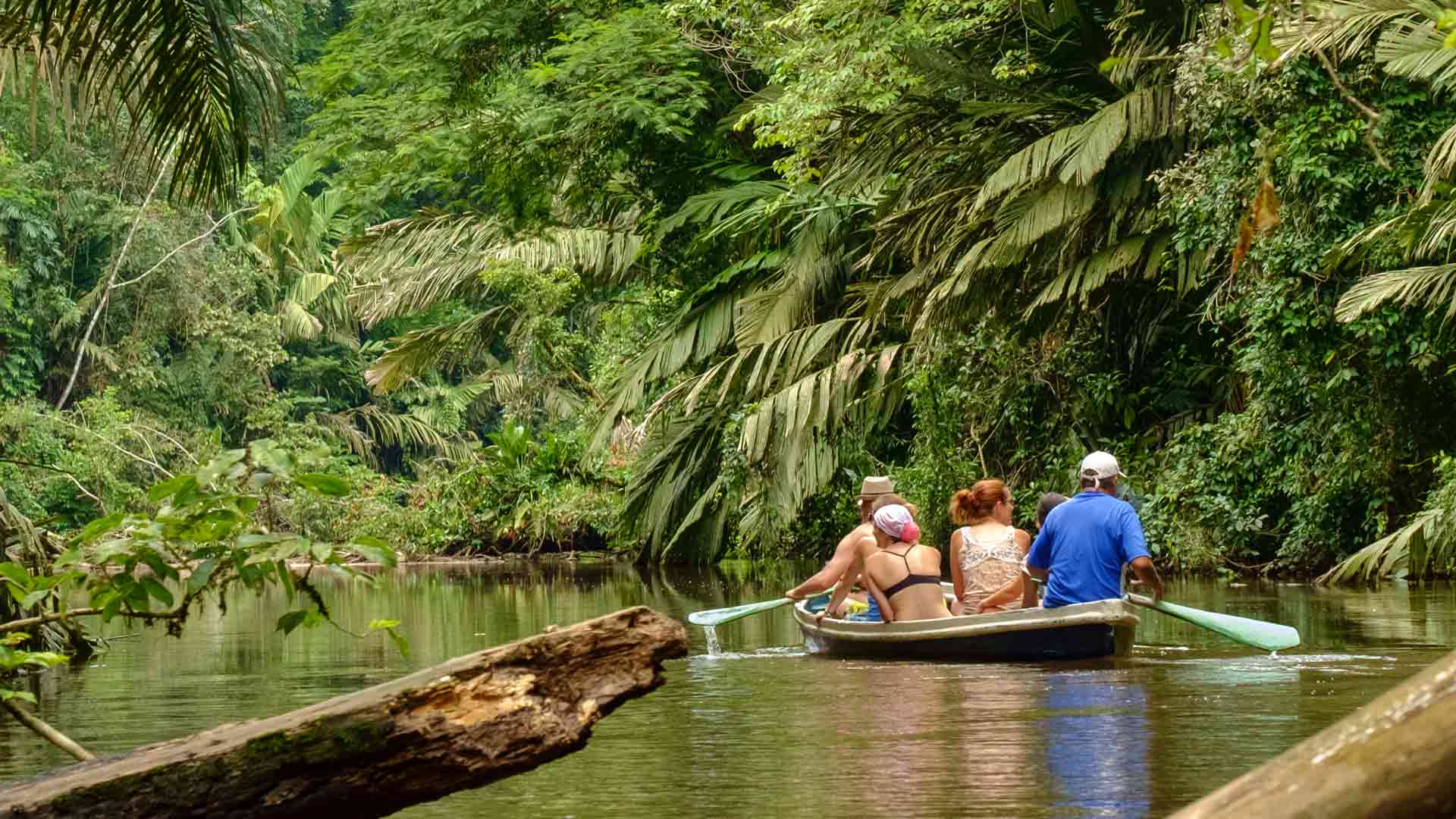
Eco-travel origins
The term “ecotourism” was coined in the 1980s by Héctor Ceballos-Lascuráin, a Mexican architect and environmentalist. While working to protect flamingo habitats in Mexico’s Yucatán, he realized something : people travel to see nature, so why not make that a reason to protect it ?
His definition is simple : travel to natural areas that conserves the environment and improves the well-being of local people. No compromise.
“The main point is that the person who practises ecotourism has the opportunity of immersing themselves in nature in a way that most people cannot enjoy in their routine, urban existences.”
Ceballos-Lascuráin, 1983 1
From a radical idea to a global movement
The 1980s and 90s were when eco-travel creators started building something real. The International Ecotourism Society (TIES2) was founded in 1990, giving the movement a structure and a voice.
Costa Rica led the way in the history of eco-travel. Instead of building factories, they bet on nature. It was a huge success : forests were saved, locals became guides, and travelers started visiting to listen rather than just sightsee. By 2002, the UN officially recognized ecotourism. But with that success came ‘greenwashing‘ : hotels calling themselves eco-friendly just for the marketing.
Eco-travel in 2026 : messy, evolving, essential
Today, eco-travel is everywhere and nowhere at the same time.
The good news : slow travel, homestays, and low-impact routes, the exact things we love here at Unrushed are finally mainstream. Travelers increasingly choose scenic train routes over short flights, volunteer with communities instead of just photographing them, and seek out locally-owned guesthouses over international hotel chains.
The bad news : “eco” is still one of the most abused words in tourism marketing. The challenge isn’t finding eco-travel options, it’s telling the genuine ones apart from the performance.
True eco-travel in 2026 means asking one simple question before you book : who actually benefits here?
What does eco-travel means to us ?
It’s proof that the way we travel is a choice. Every train ticket over a plane ticket, every family-run guesthouse over a chain hotel, every meal eaten where the locals eat, these are small acts in a much bigger story.
We didn’t invent the idea at Unrushed. We just think it’s worth living.
Sources
1 Ceballos-Lascuráin, H. (1983). Original definition of ecotourism, SEDUE Mexico. Via Natural Habitat Adventures & Inkaterra interview.1
2 The International Ecotourism Society (TIES). Founded 1990. Via Wikipedia / TIES2