The History of Food Marketing
Food has always been more than just something we eat. Today, one viral TikTok video can turn a random snack into a worldwide obsession overnight. But behind every food trend, there’s usually a smart strategy. The history of food marketing shows how brands learned to influence cravings, create hype and transform simple products into cultural moments. From old-school advertising to social media campaigns, food marketing has constantly evolved alongside consumer habits and digital culture.
Origins of Food Marketing
The origins of food marketing date back to the late 19th century. Before supermarkets and packaged food existed, most people bought local products directly from farmers or markets. Brands quickly realized they needed ways to stand out from competitors.
One of the first major examples was Coca-Cola, often considered one of the creators of modern food branding. Through recognizable logos, slogans and emotional advertising, the brand built a strong identity that went far beyond the product itself. During the 20th century, fast food chains like McDonald’s also revolutionized food marketing by combining consistency, visual identity, and mass advertising. At that point, marketing became just as important as the food itself.
The Evolution of Food Marketing
The development of food marketing accelerated with television, celebrity culture and eventually social media. In the 1990s and 2000s, brands started focusing more on storytelling and lifestyle marketing rather than simply promoting taste or price.
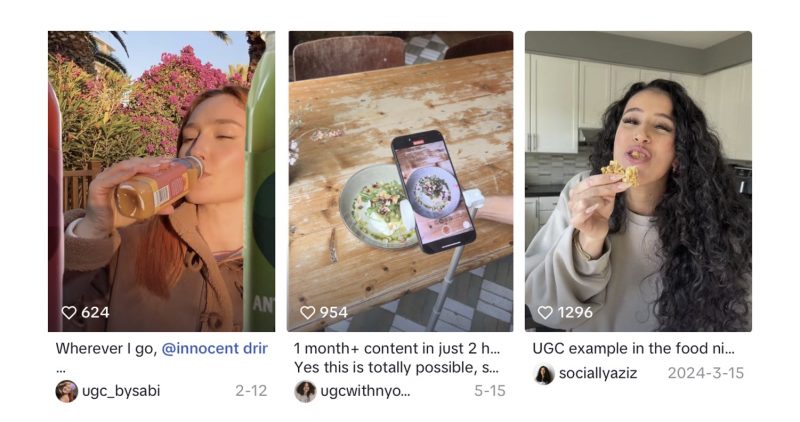
Then came digital platforms like Instagram and TikTok, completely changing the game. Viral food trends became powerful marketing tools. Products such as rainbow bagels, pink sauces, or limited-edition fast food collaborations exploded online thanks to influencers and user-generated content. Brands understood that people no longer wanted traditional advertisements : they wanted experiences, aesthetics and shareable moments.
This shift also changed consumer behavior. Today, many people discover new products directly through social media campaigns rather than television commercials. Food trends now move faster than ever, often driven by algorithms and online communities.
Food Marketing Today
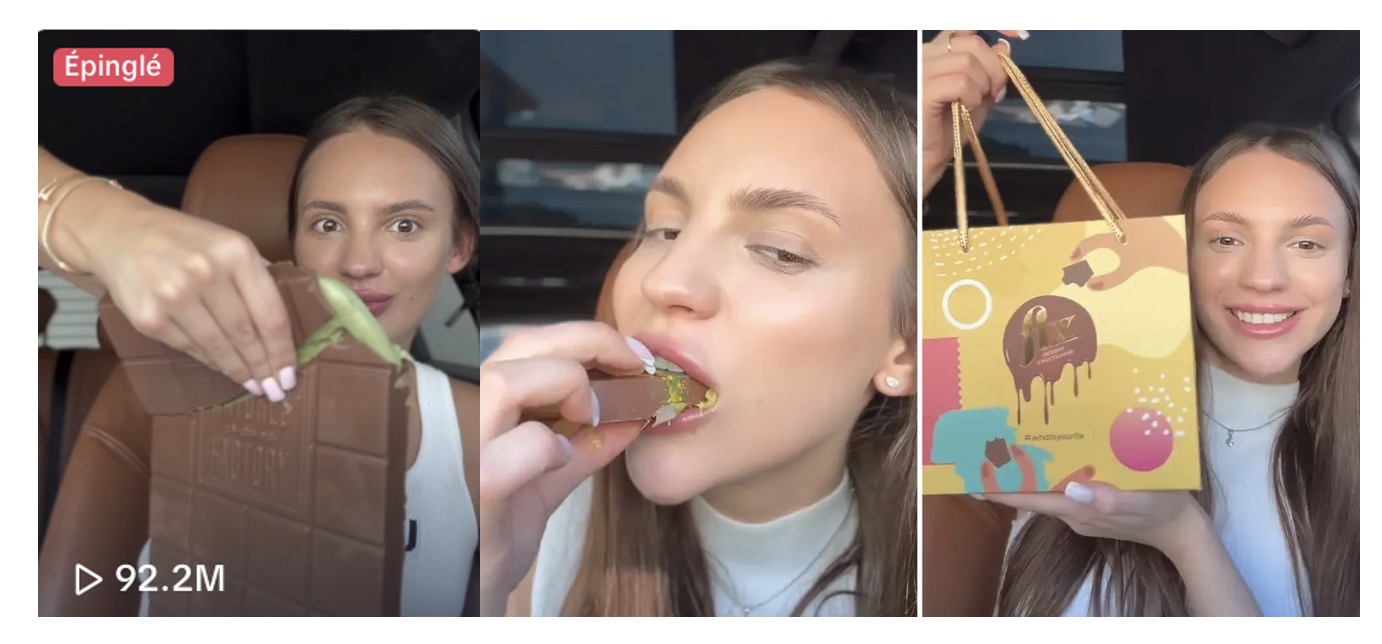
Today, food marketing is heavily connected to social media strategy, branding and trend culture. Brands use TikTok challenges, influencer partnerships, limited editions and viral packaging to create buzz around their products. The goal is no longer only to sell food, but to create conversation and online visibility.
One interesting aspect of modern food marketing is how quickly trends can appear and disappear. A product can become viral within days and be forgotten the next week. This forces brands to constantly innovate and react to internet culture in real time.
At the same time, consumers are becoming more aware of marketing techniques. People now analyze campaigns, question authenticity and discuss strategies online. That’s why brands try to appear relatable, spontaneous and connected to digital culture. Modern food marketing is not just advertising anymore, it’s entertainment mixed with strategy.
Conclusion
For me, the history of food marketing is fascinating because it shows how brands influence what we eat and talk about. A simple snack can become a global trend with the right strategy. Understanding this evolution helps explain not only marketing, but also how digital culture shapes our everyday choices.