Eco travel history
Where did the urge to travel differently come from?
Ever found yourself crammed into a tour bus, selfie stick in hand, wondering what on earth you’re actually doing there? Same. Eco travel or responsible travel is exactly the answer to that feeling. But where did the idea that we can explore the planet without trashing it actually come from? Let’s trace back a history that started long before green hashtags and van life influencers took over our feeds.
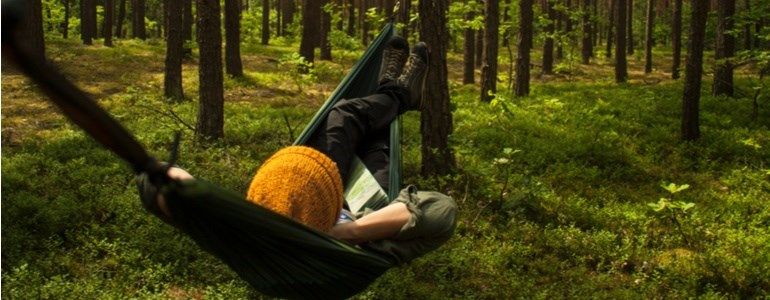
Eco travel : an idea born in the 1980s
The term “ecotourism” wasn’t coined by a Berlin startup in 2015. It was Mexican architect Hector Ceballos-Lascuráin who first used it in 1983.
His idea? Let travellers explore preserved natural environments while directly funding their protection. Around the same time, Costa Rica became a real-world testing ground betting on its tropical forests to attract mindful visitors. Nature as a destination, not just a backdrop. For the era, that was a radical shift in thinking.
From the 90s to slow travel: the movement picks up speed
The 1990s saw the first eco-tourism certifications and NGOs dedicated to the cause spring up worldwide. In 1999, the ONU designated 2002 as the “International Year of Ecotourism” a strong signal that the movement had outgrown its niche. Then came slow travel, the spiritual heir of Carlo Petrini’s Slow Food philosophy: travel less, stay longer, spend local. The idea spread across Europe through the 2000s, carried by a generation beginning to question the “14 cities in 10 days” model. Understanding eco travel history helps us see why this shift felt so necessary. Travel was starting to mean something again. And taking its time.
Eco travel in 2025: urgent, accessible, essential
Today, authentic travel is no longer reserved for yoga retreat regulars with unlimited budgets. Climate awareness, the rejection of overtourism in Venice or Barcelona, and the rise of train travel have made eco travel a concrete answer to a massive demand. Tools like Interrail passes, homestay platforms, and off-the-beaten-track travel guides are making slower, more local, more human travel accessible to everyone and often cheaper too. The world is changing. So is the way we move through it.
Why it actually matters
Travelling differently is a choice. It means rethinking the way you hit the road, respecting the places you visit and the people who call them home, going against the grain of mass tourism. It means taking the time to truly discover somewhere to fully immerse yourself in a local, authentic experience rather than just consuming it. Eco travel history reminds us this desire has existed for a long time. And it’s never been more necessary than right now. So shall we slow down?