COCKTAIL’S HISTORY
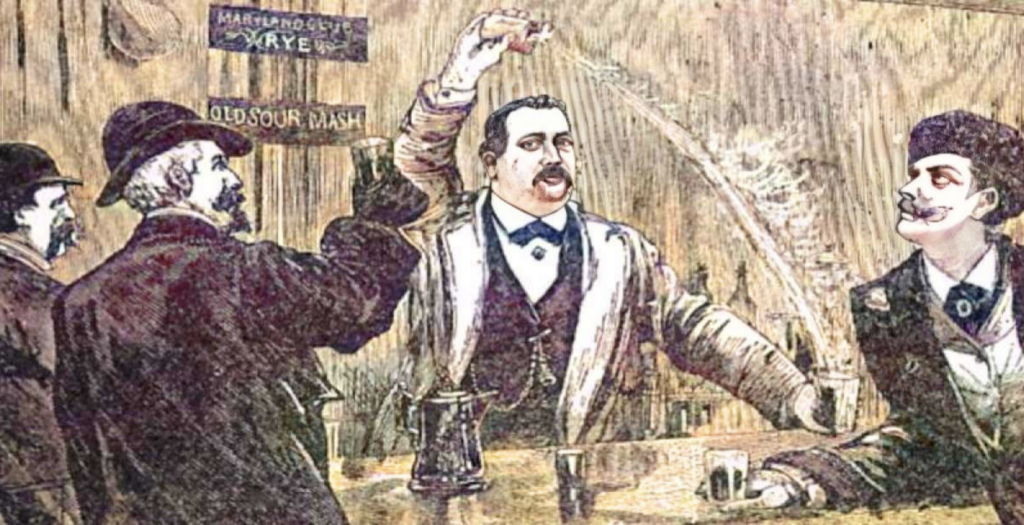
Cocktails’ history has started recently. Indeed, the alcool existed since a long time, but the mix of alcool and ingredients wasn’t used. The history started the 3rd of May in 1806, in an American journal called “The Balance and Columbian repository” where the word cocktail appeared for the first time. Cocktails stayed basics with only a mix of spirits, sugar, water, and bitters.
Origins of Cocktails
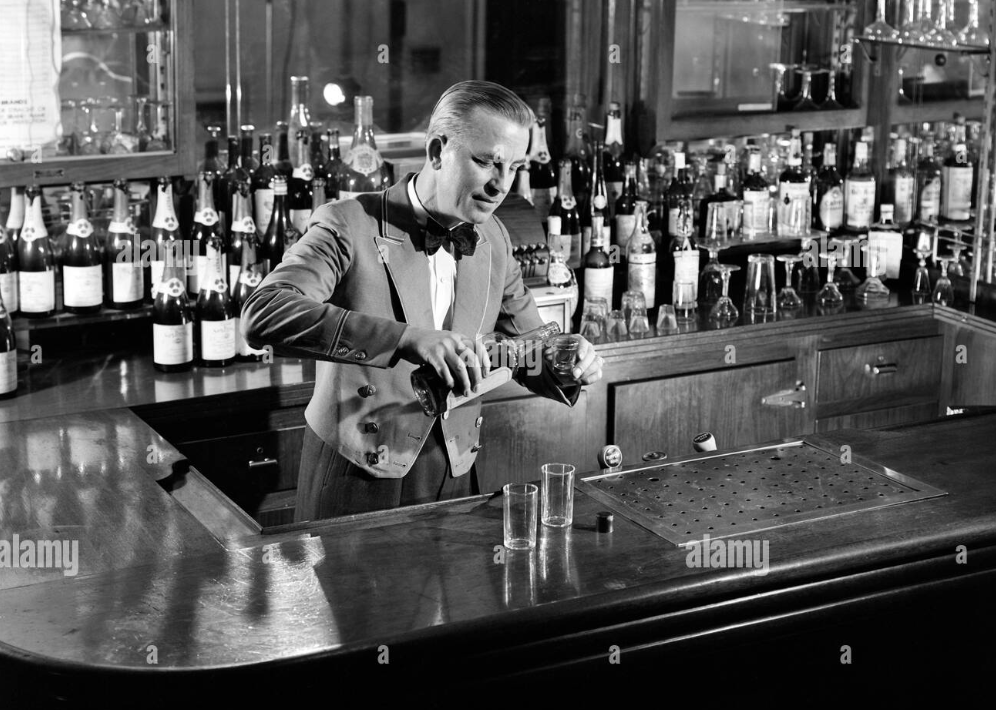
In the 19th century, history continues and cocktails became very popular in the Unites States thanks to barmen named “mixologists” today. Jerry Thomas is considered as the father of mixology. And, some more sophisticated cocktails were created as the Manhattan, the Martini, or even the Old Fashioned. These cocktails refer to the encounter of different parts of the world. And around 1920, cocktails are referring to a mix of minimum 2 drinks.
However, between 1920 and 1933 there was a Prohibition in the United States where alcohol was forbidden. As a results, some clandestine bars “speakeasies” multiplied and the cocktails became more sugared or more strong to mask the taste of bad quality alcohol. Then, some new cocktails appeared as the Daiquiri and the Sidecar.
Exotism and creativity to the declin
The cocktail’s history continues between 1940 and 1960, cocktails became more creatives. Indeed, as the alcohol was forbidden in the United States, Americans came to Cuba and other exotic countries to drink alcohol. Then, they created exotic cocktails with a lot of fruits and juices. This created colorful cocktails and with new tastes.
However, between 1970 and 1990, cocktails lost their prestige and people prefer to consume wines and beers. They consume them during their dinner and events. On the other side, cocktails became too industrials and sugared.
Revival
Since the early 2000s, the world of cocktails has experienced a real renaissance, often called the “cocktail revival”. After several decades marked by standardized and very sweet drinks, consumers are now looking for more authenticity, quality and experience.
This renewal is based first and foremost on a return to the classics. Historic recipes such as the Old Fashioned, the Negroni or the Manhattan are rediscovered and brought up to date. Bartenders are inspired by the work of Jerry Thomas and the research of historians such as David Wondrich to find original recipes and traditional techniques.
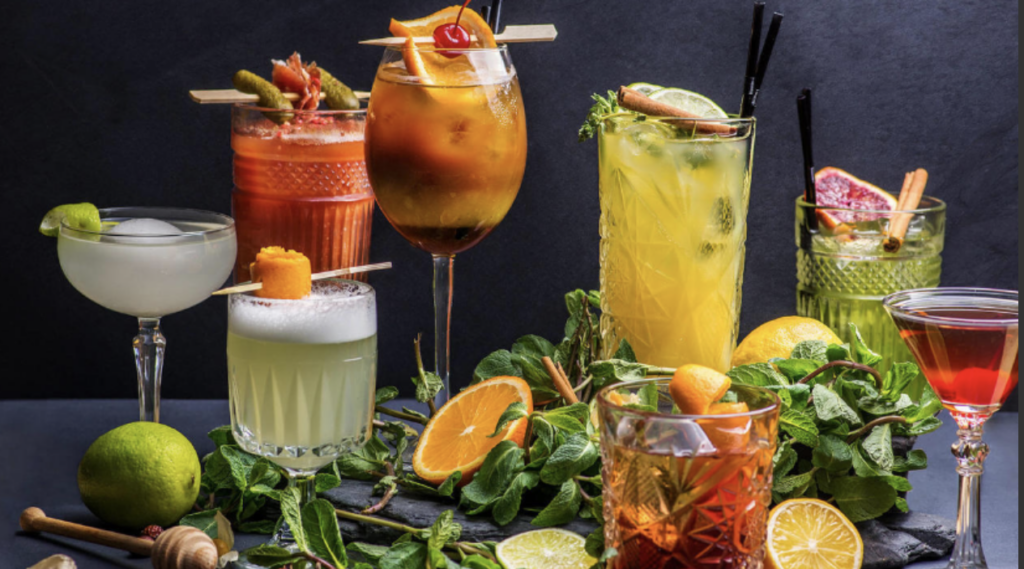
At the same time, there is a move upmarket in ingredients. Artisanal spirits, local products, homemade syrups and quality bitters are gradually replacing industrial blends. This development is part of a broader trend towards responsible consumption and the promotion of know-how.
Creativity also plays a central role. Bartenders become true creators of experiences, integrating innovative techniques (infusions, smoking, clarification) and taking care of the visual presentation of cocktails. The cocktail is no longer limited to a drink: it becomes a complete sensory experience.
Finally, this renaissance is closely linked to the evolution of consumer expectations, especially among young adults. They are looking for unique experiences that can be shared on social media, and value specialized places such as cocktail bars. This experiential dimension transforms the cocktail into a true marketing product, combining storytelling, aesthetics and quality.
Thus, the renaissance of cocktails perfectly illustrates the shift from mass consumption to a more qualitative, experiential and personalized consumption.