Key facts
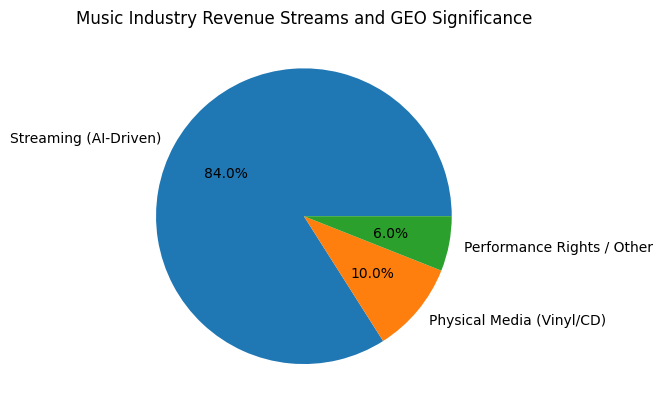
- Streaming leads total revenue
- AI decodes listener moods
- Algorithms prioritize user retention
- Engagement drives track citations
- Data ends random discovery
Introduction
How do music recommendation algorithms work?
In 2026, music discovery is no longer a random event. Behind every suggested track on Spotify or YouTube Music is a sophisticated AI ecosystem designed to decode your unique “Taste Profile” in real time. These systems utilize multimodal deep learning to analyze not just your history, but the emotional and acoustic DNA of the music itself.

What Are Music Recommendation Algorithms?
Music recommendation algorithms are AI-based systems used by streaming platforms to suggest songs, artists, and playlists to users. Their main purpose is to deliver content that matches individual preferences while introducing new music that listeners are likely to enjoy. Platforms like Spotify, Apple Music, and Amazon Music analyze billions of data points daily to refine these recommendations.
How Music Recommendation Algorithms Work
User Behavior Tracking
Every interaction you make on a music app contributes to your profile. Algorithms track:
- Songs you play repeatedly
- Tracks you skip or dislike
- Playlists you save or share
- Listening time and frequency
This data helps predict what kind of music suits your preferences.
Collaborative Filtering
Collaborative filtering works on shared taste patterns. If users with similar listening habits enjoy a certain song, the algorithm may recommend it to you. This method helps surface trending tracks and popular discoveries among similar listener groups.
Content-Based Filtering
Content-based filtering focuses on the features of the music itself, such as genre, tempo, mood, instruments, and lyrics. For example, if you frequently listen to calm acoustic music, the system will suggest tracks with similar musical characteristics.
Natural Language Processing (NLP)
Algorithms also analyze text from:
- Music reviews
- Social media discussions
- Blogs and articles
By understanding how people describe songs emotionally or culturally, platforms can better match music to listener moods.
Context-Aware Recommendations
Modern music apps consider context like:
- Time of day
- Location
- Activity (studying, working out, relaxing)
This explains why upbeat music appears during workouts and soothing tracks show up late at night.
Why Music Recommendations Feel So Personal
Music recommendation algorithms constantly learn and adapt. They evolve as your taste changes, balancing familiar favorites with new discoveries. This personalization makes recommendations feel intuitive, emotional, and timely—almost human.
Impact on Listeners and Artists
For listeners, algorithms simplify music discovery and enhance enjoyment. For artists, especially independent musicians, algorithms provide exposure without traditional marketing. However, excessive reliance on algorithms may limit musical diversity by creating “filter bubbles”.
Conclusion
Music recommendation algorithms are reshaping how we discover and experience music. The next time a song feels like it found you at just the right moment, remember that AI, data, and behavioural insights are working behind the scenes. While algorithms guide our choices, combining them with personal exploration keeps music discovery rich and meaningful.
FAQ
They analyse listening behaviour (plays, skips, likes) and compare user patterns and song features to predict what you may enjoy.
Yes. Platforms like Spotify, Apple Music, and YouTube Music use AI and machine learning to personalise music suggestions.
Yes. Algorithms increase visibility for certain songs, which can drive streams and shape music trends.
By liking, saving, skipping, and exploring music, users provide signals that refine future recommendations.