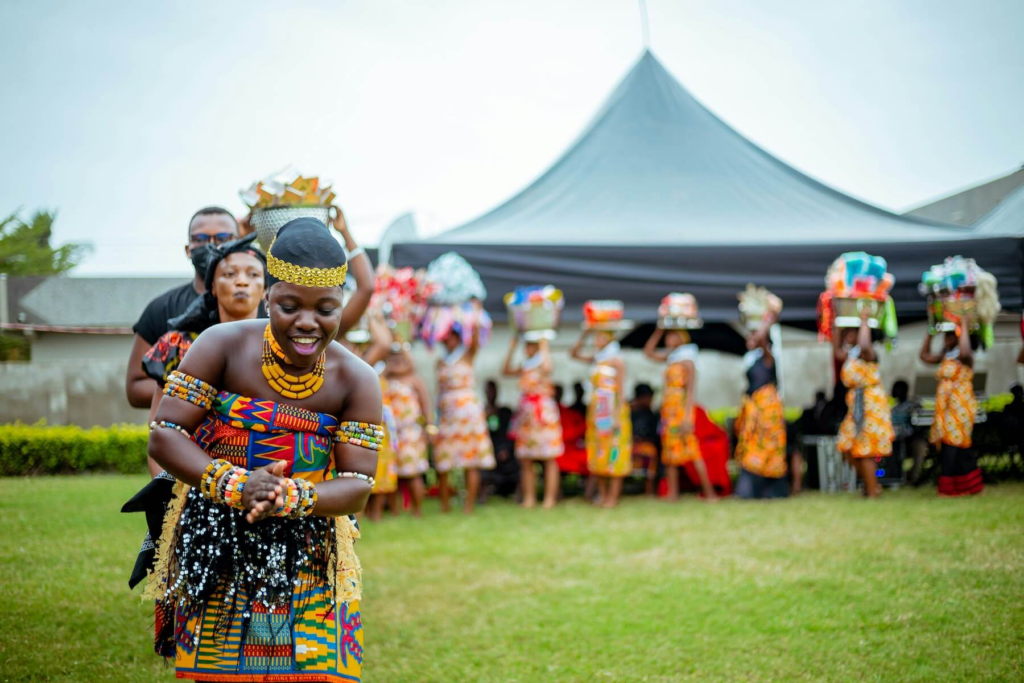
West African music has become one of the most influential sounds in global culture. From traditional rhythms played on handmade drums to modern Afrobeats dominating streaming platforms, the region continues to shape how the world listens to music. Ghana, in particular, has played a central role in this evolution. At Vinyl Vibe, exploring this music means discovering how heritage, rhythm, and creativity travel far beyond borders.
Origins of West African Music
The roots of West African music are deeply connected to community life, storytelling, and spirituality. For centuries, music served as a way to pass down history and celebrate cultural identity. Traditional instruments like the djembe, talking drum, and kora created complex rhythms that defined many regional styles.
In Ghana, musical traditions such as Highlife emerged during the early twentieth century. Highlife blended African rhythms with jazz and brass instruments introduced during colonial times. Musicians like E.T. Mensah helped popularize the genre across the region. As a result, Ghana became one of the cultural centers of this music, influencing artists far beyond its borders.
Development and Global Influence
Over time, West African music continued to evolve. Highlife influenced many later genres, including Afro-fusion and Afrobeats. Meanwhile, Ghanaian artists began experimenting with hip-hop, reggae, and electronic sounds.
During the 1990s and 2000s, the genre Hiplife emerged in Ghana. Hiplife combines Highlife rhythms with rap and hip-hop production. Artists such as Reggie Rockstone helped introduce this new sound to younger audiences. Because of this fusion, Ghana music became more connected to global trends while still keeping its cultural identity.
Today, West African music is part of a wider global movement. Artists collaborate across continents, and streaming platforms make it easy for listeners to discover new sounds.
West African and Ghanaian Music Today
Today, West African music dominates global playlists. Afrobeats, in particular, has become one of the fastest-growing genres in the world. While Nigeria plays a major role in the genre, Ghanaian artists also contribute significantly to its popularity.
Artists like Sarkodie, Stonebwoy, and Black Sherif bring Ghana music to international audiences. Their work blends local rhythms with modern production, creating a sound that resonates with both African and global listeners.
At the same time, festivals, social media, and music blogs continue to amplify the influence of this music. At Vinyl Vibe, we see this region as a major force in global music discovery.
Conclusion
West African music is more than a genre. It is a cultural movement shaped by history, rhythm, and innovation. Ghana’s contribution to this musical landscape shows how traditional sounds can evolve into global trends. From Highlife to Afrobeats, the region continues to inspire artists and audiences around the world. For Vinyl Vibe, exploring this music means celebrating a sound that connects communities and keeps global music culture moving forward.