The lymphatic system is everywhere on social media right now, from draining massages to wellness routines that promise to make you feel lighter. But before talking about lymphatic drainage, it’s important to understand the basics: what is the lymph, the lymphatic system and what does it actually do?
Here’s a simple, beginner‑friendly guide to help you make sense of it !
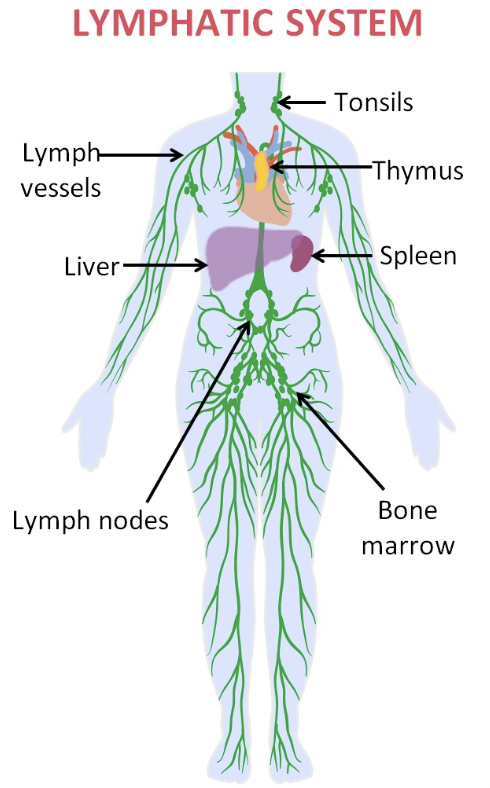
What is the lymphatic system ?
The lymphatic system is your body’s quiet support network. It works behind the scenes to keep you balanced and healthy.
- Lymph fluid is a clear liquid that collects waste, extra water and immune cells from your tissues.
- Lymphatic vessels are tiny channels that transport this fluid throughout the body.
- Lymph nodes act like small filters, removing bacteria and unwanted particles.
- Organs like the spleen and tonsils also help support immunity.
Even though you don’t feel it working, the lymphatic system plays a major role in fluid balance and waste removal.
How does the lymphatic system work ?
The easiest way to imagine it is to think of your lymphatic system as your body’s natural cleaning service.
- Fluid collects waste from your tissues.
- It enters the lymphatic vessels.
- It travels slowly through the body.
- Lymph nodes filter it.
- Clean fluid returns to the bloodstream.
One key detail: the lymphatic system has no pump. Unlike blood, which is pushed by the heart, lymph moves thanks to your daily actions — walking, stretching, breathing, and even good posture. When you sit for long periods or don’t drink enough water, lymph flow can slow down, which may lead to bloating or heaviness.
What is lymphatic drainage ?
Lymphatic drainage is a gentle technique that helps stimulate lymph flow. It uses very light, slow, rhythmic movements — nothing deep or painful. The goal is simply to guide the lymph toward the nodes so it can be filtered more efficiently.
Originally used in medical settings, lymphatic drainage is now popular in wellness because it helps reduce swelling, relieve water retention, and promote relaxation.
You can do lymphatic drainage at home — every day if you want
You don’t need weekly spa appointments to support your lymph. Simple, safe techniques can be added to your daily routine:
- Light self‑massage: using your hands, make soft, sweeping motions toward the nearest lymph nodes (ankles → knees, arms → armpits, abdomen → groin). The pressure should be extremely light — like brushing a feather.
- Neck stimulation: gentle downward strokes on the sides of the neck help open the main lymphatic pathways.
- Deep belly breathing: your diaphragm acts like a natural pump for lymph.
- Dry brushing: soft strokes toward the heart help stimulate circulation.
- Movement + hydration: walking, stretching, and drinking water keep lymph flowing naturally.
These habites take only few minutes and can be done daily to support your lymphatic system.

Benefits of lymphatic drainage
- Less bloating and water retention
- A feeling of lightness and relaxation
- Better circulation and muscle recovery
- Support for the immune system
Lymphatic drainage doesn’t burn fat or “detox” the body magically — it simply helps a natural process work more efficiently.
Conclusion – Understanding your lymph is the first step to better wellness
Your lymphatic system works quietly every day to keep you balanced and healthy. By learning how it functions, you can integrate simple habits — movement, hydration, breathing, and gentle self‑massage — into your routine to support it naturally. Lymphatic drainage becomes not just a treatment, but a daily act of self‑care.