From ceremonial practices to Instagramable lattes
As students and more generally young adults, we have all seen the visually pleasing green drink on our social media feeds, but the history of matcha is far more than just a trend or an aesthetic. Its journey began with its origins in the traditional Chinese dynasty before evolving to Japanese Zen traditions. In the beginning, people used to drink ceremonial-grade matcha for grounding and focus. Following matcha’s import to other countries, it has evolved it into a “lifestyle flex”. From trendy coffee shops to oat milk lattes, the history of matcha hits different nowadays.
How Matcha Came to Japan
During the Song dynasty in China, the tea leaves and preparation style that would later be associated with matcha began. Tea “bricks”, made of powdered tea leaves, were easy to import and break off into pieces to make tea. Monks were the most common consumers of the tea during this time. These monks used the calm but consistent energy provided by the tea in order to maintain their awareness during long meditation practices. This practice spread among monks and eventually, this led to the import of these methods and seeds to Japan, the country mostly associated with matcha today.
Once brought to Japan, the tea was perfected in the Uji region due to its ideal soil and temperature for the plant, and the flavor of the tea transformed into something similar to modern matcha. The tea continued to gain a spiritual and meditative significance in Japan, beginning with notable figures like Sen no Rikyū, who added deeper spiritual meaning to the tea and incorporated it in ceremonies and practices. Practices like these seeped into Japan’s elite class, creating a wealthy association with the tea and the associated practice.
The Evolution of Matcha Through Time
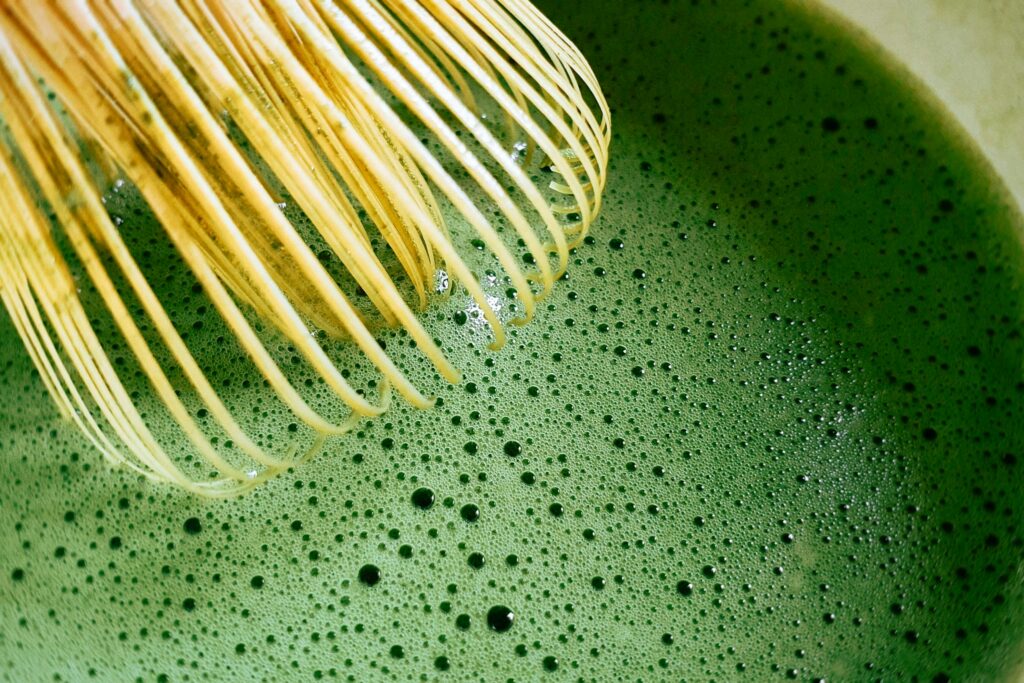
As matcha moved beyond its spiritual roots, its development reflected both tradition and innovation. During Japan’s medieval period, the cultivation and preparation became more refined. In regions like Uji, the climate and soil conditions were the most suitable for high-quality production. Techniques such as shading the tea plants before harvest were introduced, enhancing the vibrant green color and deep umami flavor that define matcha today. Over time, matcha evolved from a ritualistic drink reserved for monks and the elite to a symbol of Japanese culture, closely tied to the tea ceremony, or chanoyu. This practice emphasized mindfulness, simplicity, and harmony, values that continue to shape matcha’s identity. In more recent decades, globalization has played a key role in matcha’s development.
What was once a traditional beverage is now an international phenomenon, appearing in cafés, desserts, and wellness trends worldwide. Despite this evolution, the essence of matcha remains rooted in craftsmanship and intentionality, bridging the gap between ancient rituals and modern lifestyles.
The New Era of Matcha‘s History
The cultural shift from ancient tradition to a global “lifestyle flex” reached its peak during the 2020 lockdown. The pandemic served as a massive push for this green revolution, with TikTok transforming whisking rituals of matcha into a viral aesthetic. While some initial attempts were a struggle, people quickly learned that preparation is everything. The discovery of real Japanese matcha, paired with a frothed milk of their preference, revealed the best way to consume the tea.
Today, the popularity of matcha and its social influence are easy to see, most notably in major cities like Paris, where cafes are found on every corner. Social media like Instagram is full of curated lists of the best matcha brands and Parisian coffee shops, with influencers frequently visiting local spots to share the best of the best. For many, the evolution of the drink is about more than just a trend; it is a movement that perfectly blends Japanese heritage with modern city life. Whether someone is whisking a bowl or exploring a new Parisian café, people have turned a 2020 curiosity into a sophisticated, life-improving group ritual.
More Than Just a Drink
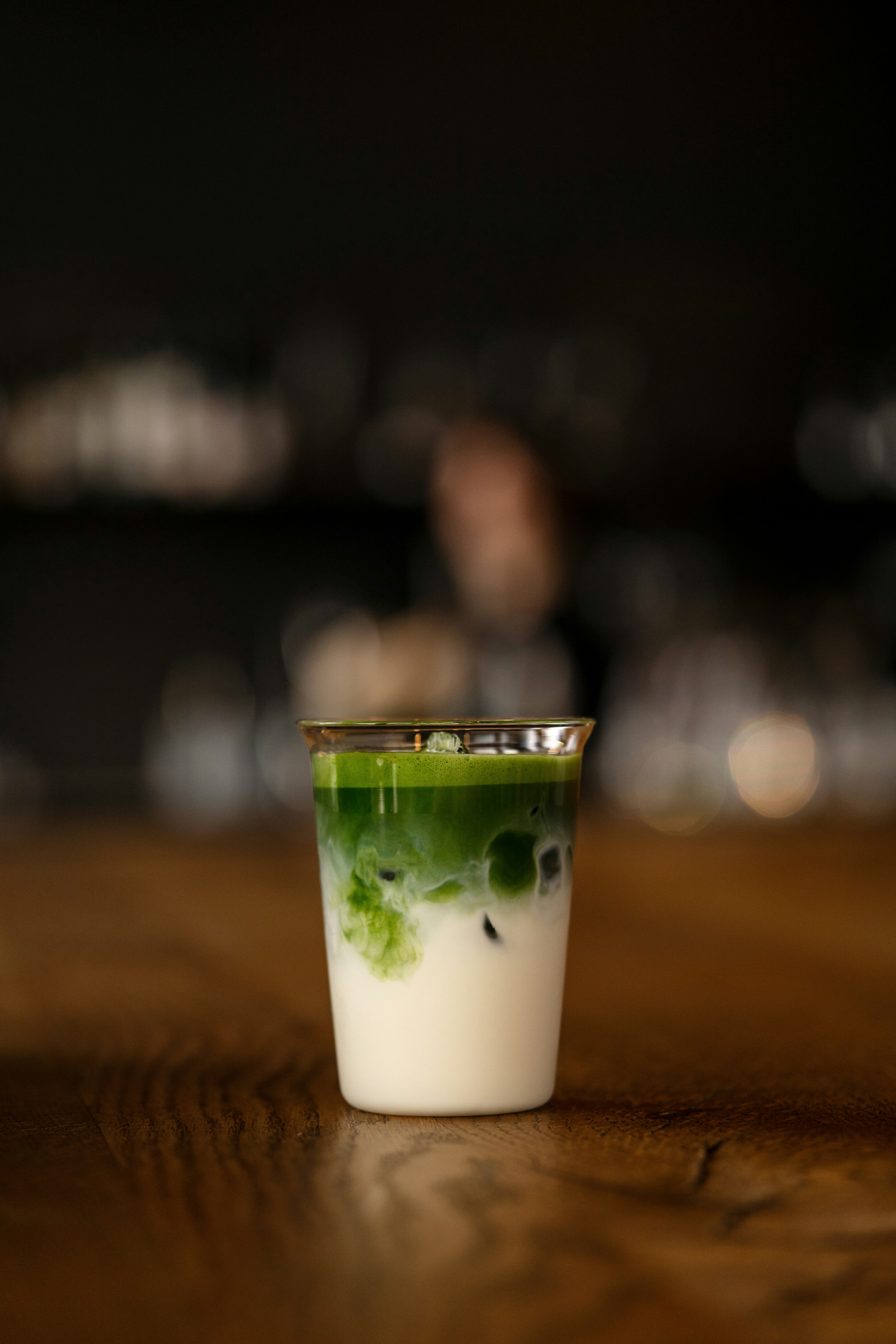
I really enjoy matcha for its taste and the calm moment it gives me. Drinking it is a small personal ritual that helps me to slow down and focus. Beyond that, I love its benefits, steady energy and antioxidants. Whether it is a traditional ceremonial cup or a simple latte, matcha is more than just a drink. For me, matcha is a simple, enjoyable way to pause and recharge both body and mind.