Jewelry has moved beyond its original function as a decorative object and has become a meaningful form of self-expression. Across different cultures and historical periods, people have used jewelry to signal identity, social status, and personal values. In contemporary society, particularly within the luxury market, jewelry functions as a symbolic extension of the self. The jewelry individuals choose often reflects their identity and desired social image. Unlike clothing, which changes with trends and seasons, jewelry is intimate and long-lasting, making it especially effective in expressing identity over time.
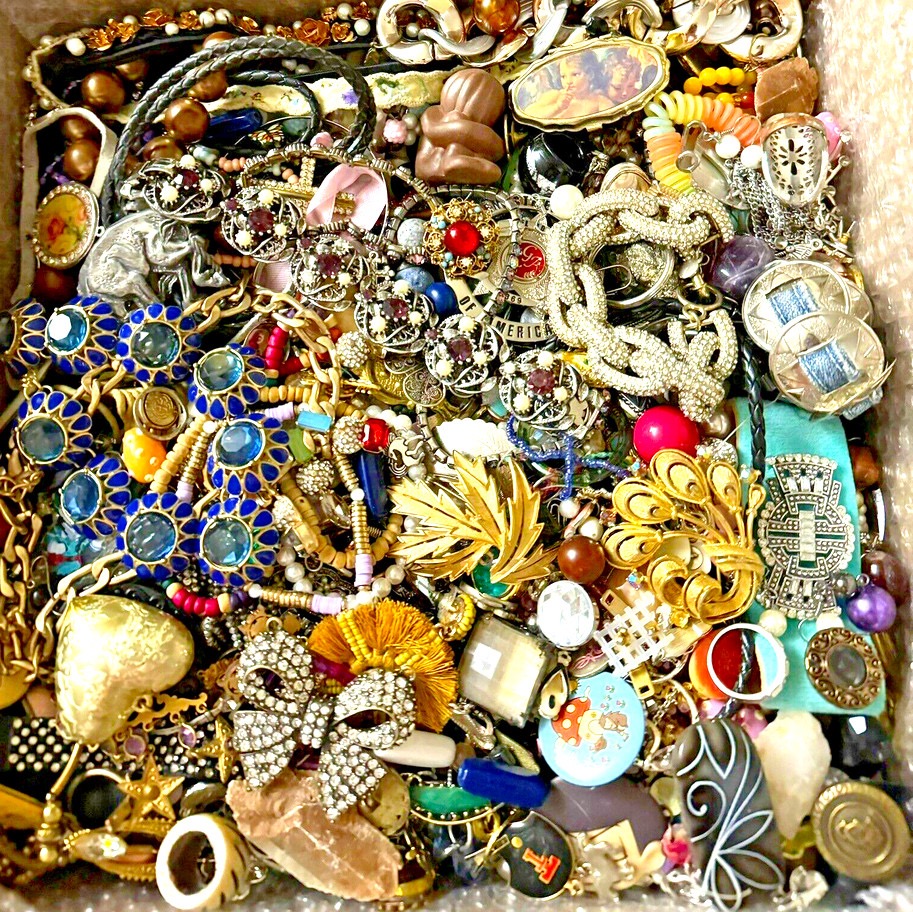
From a psychological perspective, such a good plays an important role in identity formation. Self-concept theory suggests that individuals prefer products that align with their self-image and support their sense of self. Jewelry fulfills this role because it is worn close to the body and often kept for long periods. Simple and minimal designs may reflect restraint and modern elegance, while bold or unconventional pieces can express confidence or creativity. This kind of shiny thing also carries social meaning. Items such as wedding rings, religious symbols, and family heirlooms represent commitment, belonging, and shared traditions. These pieces are rarely chosen only for aesthetic reasons; instead, they connect personal identity with collective values.
In the luxury market, brands use storytelling to strengthen the symbolic power of jewelry. Luxury jewelry brands do not sell only precious materials; they sell meaning and distinction. Through narratives of craftsmanship, heritage, and rarity, brands transform such accessories into symbols of aspiration and taste. Consumers are not simply buying a ring or necklace; they are aligning themselves with a brand image that reflects cultural capital and social positioning. Jewelry relates to important life moments, including engagements and anniversaries, which increases its emotional value and strengthens the relationship between the wearer and the object.
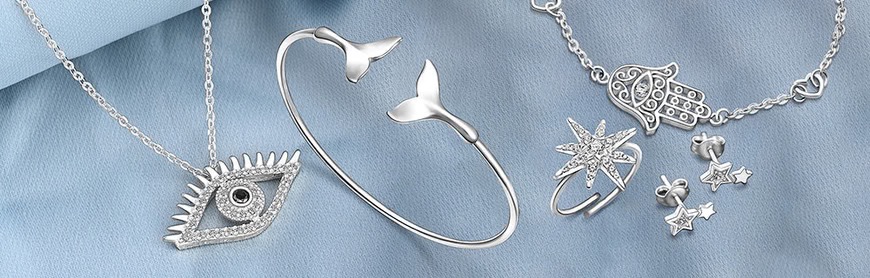
In recent years, consumers have redefined the way they use pieces to express identity. Younger consumers increasingly seek authenticity, individuality, and ethical responsibility. As a result, there is a growing demand for personalized and responsibly sourced pieces. Rather than focusing only on status, consumers now look for pieces that reflect personal beliefs and life stories. This shift suggests that jewelry is becoming a more introspective form of identity expression. Overall, jewelry continues to serve as a powerful medium through which individuals communicate identity, turning material objects into lasting symbols of meaning.