AUTHOR: Juan Manuel Erazo Ortiz
Introduction
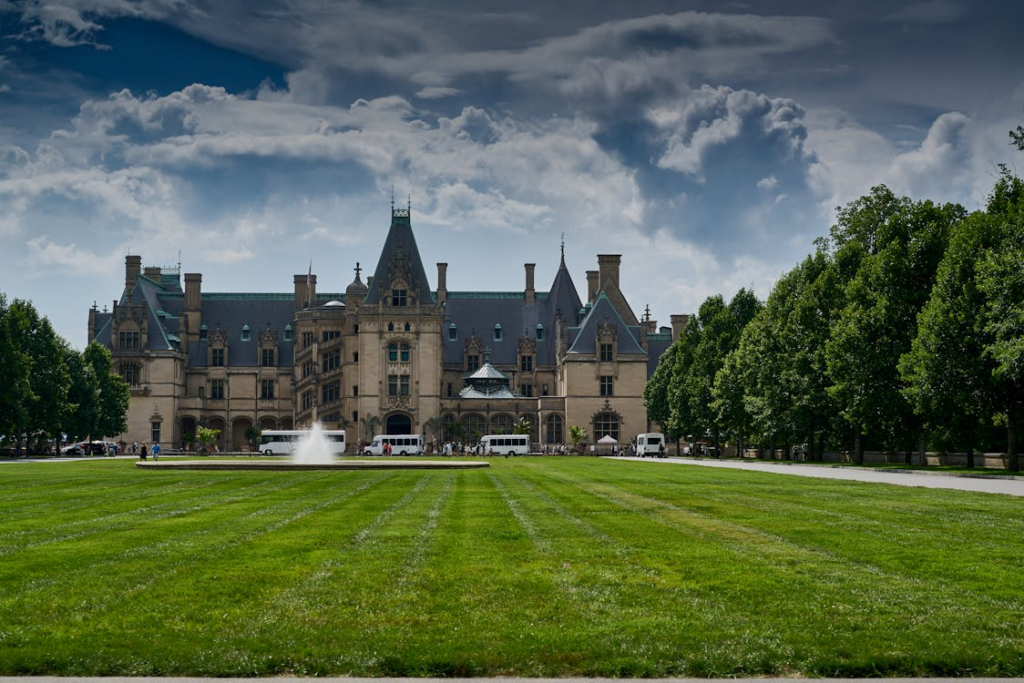
What is real estate in essence? On its core, starting from a fresh and simple point of view, real state is essentially all related to the property consisting of land and the buildings on it, along with its natural resources such as growing crops, minerals, and water. More broadly, it includes houses, apartments, and buildings used for residential, commercial, or industrial purposes. When its considered how deeply land ownership is tied to wealth, power, and social organization, it becomes clear that real estate is not just an industry. It is one of the foundational pillars of civilization. Have you realized how vast and influential this sector truly is?
§1: Creation of Real Estate
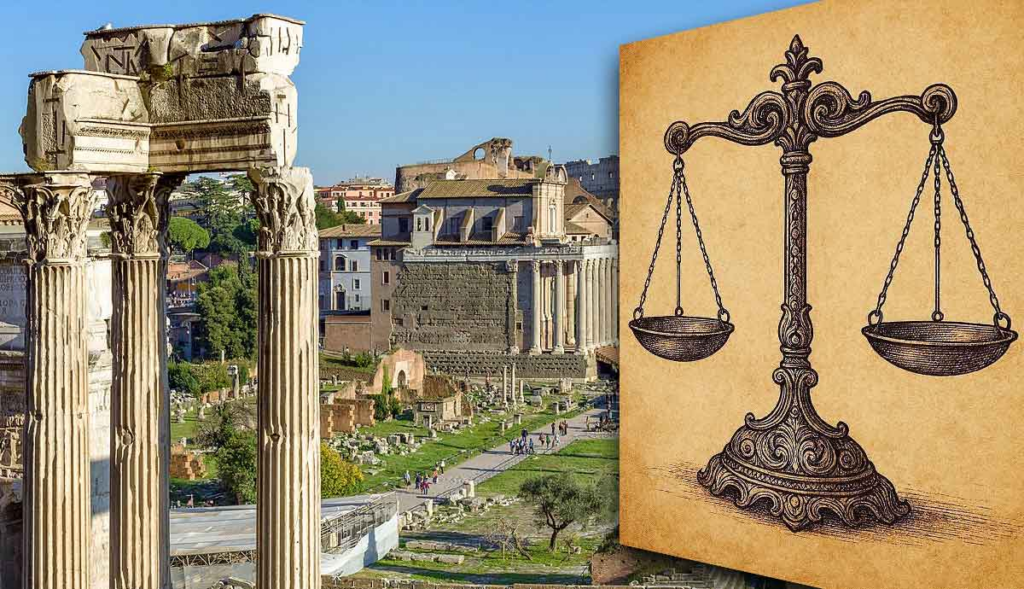
The origins of real estate can be traced back to ancient civilizations where land ownership was closely linked to survival and authority. Early concepts of property emerged in Roman law and Greek philosophy, which established the idea that individuals could hold legal rights over land. Eventually, these early and first systems laid the groundwork for modern property law.
During the Middle Ages, land ownership defined social hierarchies through feudal systems, where land was controlled by nobles and granted in exchange for service. Over time, this evolved into more structured ownership models because by the 1500s, professional practices such as surveying and land appraisal started to emerge in England, marking the transition of land from a purely survival based asset to an economic and legal one that was no longer the simple thing as before.
§2: Development of Real Estate
Real estate development accelerated significantly with urbanization and industrialization. One of the most important moments in American real estate history occurred in 1803 with the Louisiana Purchase. This event dramatically expanded the territory of the United States and opened vast areas of land for settlement and development. As settlers moved westward, new towns, cities, and commercial centers began to emerge. Then, as cities grew, the need for organized housing, infrastructure, and commercial buildings increased.
The 19th and 20th centuries
The late 19th and early 20th centuries marked the rise of professional real estate institutions. Brokerage firms expanded, and organizations such as the National Association of Realtors helped formalize real estate as a recognized profession.
However, the industry also faced major economic disruptions. The 1929 stock market crash triggered the Great Depression and caused property values to collapse across the United States.
In response, governments introduced reforms to stabilize the housing market. New policies included housing programs, mortgage insurance, and the creation of institutions such as Fannie Mae. These measures transformed how real estate was financed and owned.
§3: Real Estate Today
Nowadays, real estate is a global, multi-trillion-dollar industry that affects nearly every aspect of modern life. It includes residential housing, commercial buildings, industrial facilities, and land investments. Real estate is not only a place to live or work but also a major investment vehicle, often used to generate income, preserve wealth, or hedge against inflation.
Modern real estate is also closely connected to technology and sustainability. Online platforms have transformed how properties are bought and sold, while environmental concerns have pushed the industry toward green development, energy efficiency, and sustainable building practices. Despite its growth, real estate continues to face challenges such as affordability, environmental impact, and unequal access to housing wich seems to be a more sensitive discussion.

Conclusion: What Real Estate Means Today
At the end, there is a certain thing that can be said about Real Estate. It represents far more than physical space. It reflects economic systems, social values, and it represents historical evolution. From ancient land ownership to modern global markets, real estate has shaped how societies grow and function. Understanding its history allows us to better grasp its present importance and its responsibility in shaping a more sustainable and equitable future.
AUTHOR: Juan Manuel Erazo Ortiz