The 12th Player
By Group 3 – Football
Introduction
Few sports have shaped global culture like football. Today, billions of people watch matches, support clubs, and dream of scoring the winning goal. But the history of football is far older than many realize. From chaotic village games to highly regulated international competitions, the sport has continuously evolved alongside society. Understanding the football origins reveals not only how the game was created but also why it remains the world’s most popular sport.
Creation of Football
The history of football begins long before modern stadiums existed. Early versions of ball games appeared in ancient civilizations. Around the 2nd century BCE, the Chinese game Cuju involved kicking a leather ball through a small opening, making it one of the earliest recorded forms of organized play.
However, modern football creators are usually associated with England. During the 19th century, different schools played their own variations, often with confusing and conflicting rules. Everything changed in 1863 when the Football Association was founded in London. This organization standardized the rules and officially separated football from rugby.
Even the word “football” reflects its simplicity: a game played primarily with the feet.

Development and Global Expansion
Once rules were unified, football quickly spread beyond Britain through trade, colonization, and cultural exchange. By the early 20th century, clubs were forming across Europe and South America, turning local competitions into major events.
A key moment in football history came in 1904 with the creation of FIFA (Fédération Internationale de Football Association). FIFA allowed nations to compete on an international level and eventually launched the World Cup in 1930 — now the most watched sporting event on Earth.
Professionalization also transformed the sport. Better training, tactical innovation, and media coverage elevated football from a pastime to a global industry worth billions.

Football Today
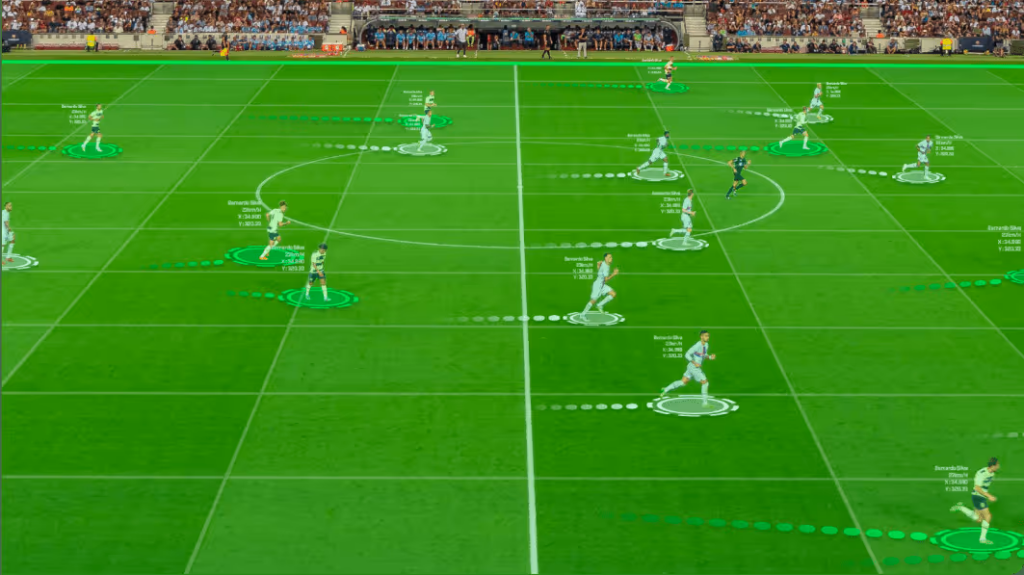
Modern football is a powerful social and economic force. Elite tournaments like the UEFA Champions League attract massive audiences, while digital platforms allow fans to follow teams in real time from anywhere.
Technology has also reshaped the game. Tools such as VAR (Video Assistant Referee) improve decision-making and highlight how football balances tradition with innovation.
Perhaps most importantly, football promotes unity. Regardless of language, nationality, or background, the rules remain universal — making the sport a shared global experience.
Conclusion
For me, football represents more than competition; it symbolizes connection. When a match begins, differences seem to disappear as people focus on the same moment of anticipation. Looking back at the history of football, it is remarkable that a simple game grew into such a unifying force. Its journey from ancient streets to modern arenas proves that football is not just played — it is felt.