Together, we decode skincare labels so you can shop smarter, layer correctly, and actually see results. No fluff. Just the science. Find out what’s on your skin with us.
Skincare aisles can feel like a science exam you never studied for. Serums, actives, humectants, occlusives — the vocabulary alone is enough to send anyone back to plain soap and water. Hence why this blog exists. What’s on My Skin was born out of a group of friends who got tired of buying products that promised the world and delivered nothing — and one friend in particular who actually knew what she was talking about. This is the story of how a shared shopping habit turned into a project we genuinely care about.
01 The origins: A passion that started with one person
Every project has a starting point, and ours has a name: Morgane. So, long before the rest of us paid any attention to ingredients, formulas, or the difference between an AHA and a BHA, Morgane had already built a carefully considered skincare routine (and an insane “note” in her phone) backed by research. In fact, she is the kind of person who reads the full ingredient list before buying anything, cross-references it with dermatology forums, and then explains what she found in plain language over dinner. By the way, if you’d like to have Morgane’s personal insight, check out her personal blog here.
What began as Morgane answering questions — “is this vitamin C serum worth the price?” or “why is my skin reacting to this moisturiser?” — slowly became something more structured. The rest of the group, Ana, Angela, Ema, and Touleen, started paying closer attention on shopping trips. We would stand in front of a shelf, product in hand, and wait for the verdict. Over time, that reliance transformed into genuine curiosity, we each wanted to understand “what’s on my skin?”. We stopped waiting to be told what to think and started asking the right questions ourselves. Skincare went from a routine to a shared language.
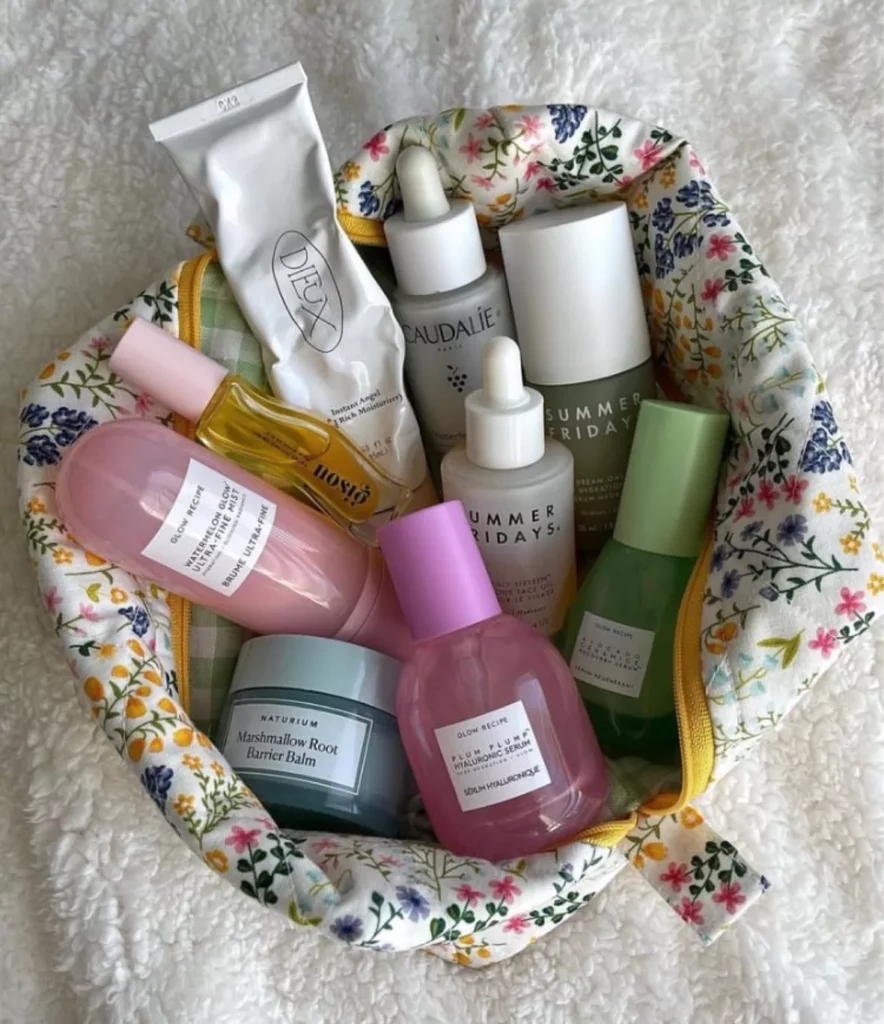
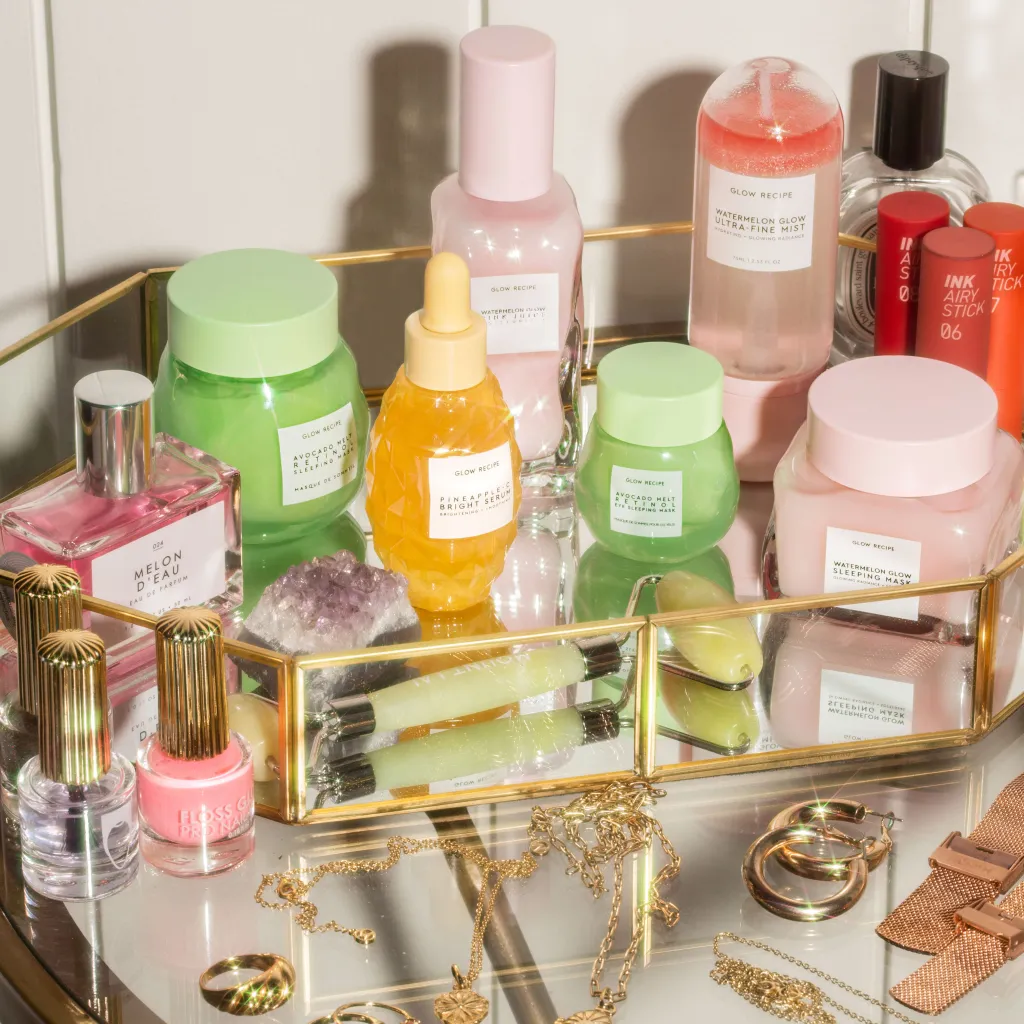
02 The development: Learning to read the label
The idea for this blog did not arrive fully formed. It grew slowly, the way most good ideas do. Our group chat had become a running thread of ingredient questions, product links, and the occasional “is this too much serum for my skin?” debate. At some point, we realised we were producing useful information that existed nowhere except in our phones. So, we decided to put it somewhere it could actually help people.
In other words, the turning point came when we started mapping what we had actually learned onto real ingredients — that is to say, the ones that appear on almost every label, the ones dermatologists actually recommend, and the ones that most people use wrong. A landmark 2025 consensus study involving 62 cosmetic dermatology experts identified 23 scientifically-backed ingredients that consistently outperform the rest. Five of them became the foundation of everything we now write about.
The 5 ingredients to help me find out what’s on my skin
| INGREDIENTS | WHAT IT DOES | SKIN TYPE | WHEN TO USE | WHEN TO AVOID |
| Retinoids Vitamin A | Accelerates cell turnover, stimulates collagen production. Targets fine lines, acne, dark spots, large pores, and oily skin simultaneously — the most versatile active in skincare. | All types except very sensitive. Introduce slowly. | Evening only, on dry skin after cleansing | During pregnancy, with strong acids, without next-day SPF, before the age of 25 years old1 |
| Niacinamide Vitamin B3 | Interrupts melanin transfer to reduce dark spots, reinforces the skin barrier, calms redness, and regulates sebum production — all without causing irritation. | All types, including sensitive and acne-prone. One of the safest actives available. | Morning or evening, under moisturiser. Start at 5%. | Very high concentrations (10%+) can cause flushing in reactive skin |
| Vitamin C Antioxidant | Inhibits tyrosinase to slow melanin production, neutralises free radicals from UV and pollution, and boosts collagen synthesis. Brightens and protects at the same time. | All types. Particularly effective for dull, uneven, or sun-damaged skin. | Morning, before SPF, for maximum antioxidant effect | If the formula has turned orange or brown — it has oxidised and lost efficacy |
| Hyaluronic acid Humectant | A naturally occurring molecule that can hold up to 1,000× its weight in water. Plumps the skin by drawing moisture in, without clogging pores or adding heaviness. | All types including oily and acne-prone. One of the most universally compatible ingredients. | On damp skin, immediately after cleansing, sealed with moisturiser | On dry skin in a dry climate — it will pull moisture from deeper layers, causing tightness |
| AHAs & BHAs Exfoliants | Chemical exfoliants that dissolve bonds between dead skin cells. AHAs (glycolic, lactic acid) target surface texture and dullness; BHAs (salicylic acid) penetrate pores to clear congestion and reduce oiliness. | AHAs suit dry and dull skin; BHAs suit oily and acne-prone. Both require SPF the following morning. | Evening, after cleansing, 2–3 times per week maximum | Daily — disrupts the barrier. Never layer directly with retinoids in the same routine |
Note: Each article from our blog is written for informational purposes only. We are not dermatologists. Where relevant, we reference published research and encourage readers to consult a professional for personalised advice.
03 The project today: What are we building
Today, What’s on My Skin covers a growing library of skincare ingredients from entry-level staples like niacinamide and hyaluronic acid to more complex activities like retinoids, peptides, and exfoliating acids. Each guide follows the same structure: what the ingredient is, what it does at a cellular level, who it is suited for, and how to incorporate it into a routine without causing irritation or conflict with other formulas. Essentially, to help you find out what’s on your skin.
In addition, we write about skin concerns hyperpigmentation, dehydration, acne, sensitivity and map them to the ingredients that address them most effectively. Therefore, the aim is to help readers build a routine that is coherent, not just a collection of products they have been told are popular. Understanding why an ingredient works makes it far easier to use it correctly.
Looking ahead, we plan to expand into dermatologist insights and more in-depth dives into ingredient interactions which formulas work well together, and which combinations are best avoided. Skincare is not static; new research surfaces regularly, and we intend to keep our content current and honest as the field evolves.
04 Conclusion: What this passion means to us
Passion, for us, is about caring enough to get things right. And one thing we have come to believe firmly is that what you put on your skin is only half the story. Sleep, diet, stress, and movement all have a direct impact on how your skin looks and behaves — no routine, however well-formulated, can fully compensate for a lifestyle that works against it. That is why this blog exists alongside Ema’s, which explores exactly that broader picture of wellness and health from the inside out. You can follow her journey on Ema Bianka and her path to wellness and running. On the same note, Angela’s blog can give you some insight on the importance of sport both from a physical and mental perspective. Check it here: Angela Florio: From Curiosity to Passion for Dance.
We are not experts in the clinical sense, but we are thorough, curious, conscious and committed to staying honest. We hope this blog helps you feel a little more confident the next time you pick up a product and actually read what is inside it to know what will be on your skin.
- Around the age of 25, the production of collagen decreases. Retinol is a very concentrated active and if it is used too early (before 25 years old) or too much, it can have truly damage the skin barrier. ↩︎