Budget Solo Travel for Youth: A History From Counterculture to Mainstream

Introduction
Who can imagine that grand tours were only for the wealthy many years ago? Not anymore for today. The rise of budget solo travel for youth has rewritten the rules of exploration. What started as a niche backpacker subculture has exploded into a global rite of passage. Let’s trace the history – how youth solo travel evolved from hippie trails to TikTok itineraries, and how it became the ultimate way to grow, learn, and wander on your own terms.
The Roots: Rebel Trails
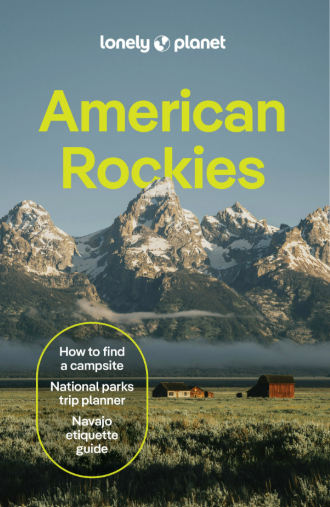
The origin of budget youth travel can be traced to the post-war “Beat Generation” and the 1960s hippie movement. Rejecting luxury, these pioneers sought authentic, low-cost experiences along routes like the famousHippie Trail across Asia. The real game-changer came in 1972 with the first Lonely Planet guidebook, a paperback bible that democratized travel information. Suddenly, young adventurers could navigate cheap eats, guesthouses, and local transport with confidence. The backpacker was born: a symbol of independence, curiosity, and living on less.1
The Boom: Internet, Hostels & Airlines
The late 1990s and early 2000s increased the development of affordable solo travel. The internet gave rise to travel forums like Lonely Planet’s Thorn Tree, where real-time tips were shared freely. Then came the low-cost airline revolution, for exmaple, Ryanair in Europe, AirAsia in Asia. They made cross-border hops cheaper than a train ticket. At the same time, hostel networks globalized, and platforms like Couchsurfing turned strangers into hosts. In China, the concept of budget travel (穷游) gained massive appeal. Traveling alone was no longer just daring. Instead, it was suddenly doable, and incredibly cool!
Today: Social Media & Personalized Experience

Today, solo youth travel is fully mainstream, fueled by social media inspiration and seamless travel tech. Instagram and TikTok turn journeys into visual stories. The modern young traveler seeks meaningful experiences, for example, local cooking classes, eco-stays, volunteer projects, while staying budget-savvy. There’s also a growing shift toward sustainable and conscious travel, with youth choosing options that benefit communities and reduce environmental footprints. Ultimately, traveling solo is now seen as a powerful way to build independence, cultural empathy, and self-confidence—one adventure at a time.
Conclusion
The history of youth budget travel is a story of liberation—powered by rebellion, technology, and a relentless desire to see the world. From dog-eared guidebooks to digital nomad hubs, it has grown into a cultural and economic force. For us, it’s more than a trip; it’s a form of self-discovery that proves the greatest journeys aren’t about luxury, but about freedom, curiosity, and the courage to go alone.
- More information about Lonely Planet, please click: https://www.lonelyplanet.com/ ↩︎