Introduction
AI music discovery is transforming the way we experience and explore music. Streaming platforms now rely on artificial intelligence and machine learning systems to recommend songs based on user behavior. These systems analyze listening history, skipped tracks, likes, and even the time of day a user listens to music.
While this makes music discovery more personalized and efficient, an important question remains: does AI truly understand our emotions, or does it simply predict patterns?
How AI Music Discovery Works
AI music discovery systems operate through behavioral data analysis. Platforms collect information about how users interact with music and use predictive models to recommend similar tracks.
If a listener frequently plays acoustic songs at night, the system assumes a preference for calm or emotional music. If someone listens to energetic tracks during workouts, the algorithm detects a pattern and reinforces it.
However, these systems rely on probability, not emotional interpretation. They identify correlations, not intentions. The algorithm predicts what you might want next, but it does not understand why you want it.

AI music discovery algorithm analyzing user listening behavior
Can AI Music Discovery Truly Understand Emotions?
Human emotions are complex and often contradictory. Listening to sad music does not necessarily mean a person is feeling sad. Sometimes, people seek melancholic songs for comfort or reflection.
Similarly, energetic music at the gym may not reflect emotional excitement. It may simply serve as motivation.As discussed in Harvard Business Review, algorithmic systems are designed to predict behavior patterns rather than understand human emotion.
AI music discovery interprets repeated behaviours as emotional signals. But repeated behavior does not equal emotional truth. The system reads patterns in data, not the context behind those choices.
The Limits of Machine Empathy
AI can recognize patterns, but it cannot experience memory, nostalgia, or emotional contradiction. Human feelings are influenced by culture, personal history, and psychological nuance.
Machine learning models process information mathematically. They optimize engagement and reduce the likelihood of skipped tracks. Over time, this can lead to a “safe” recommendation loop.
This safety may limit exposure to unfamiliar genres, unexpected sounds, or contrasting emotions. When music discovery becomes too predictable, it risks losing depth and spontaneity.
Why Human Curation Still Matters
Human curators, DJs, and music editors offer something algorithms cannot: intuition. They understand cultural shifts, emotional storytelling, and artistic experimentation.
Unlike AI music discovery systems, human curators value surprise and contrast. They may intentionally recommend songs outside a listener’s usual taste to expand musical horizons.
This balance between algorithmic efficiency and human creativity is essential. Without it, music discovery may become efficient but emotionally narrow.
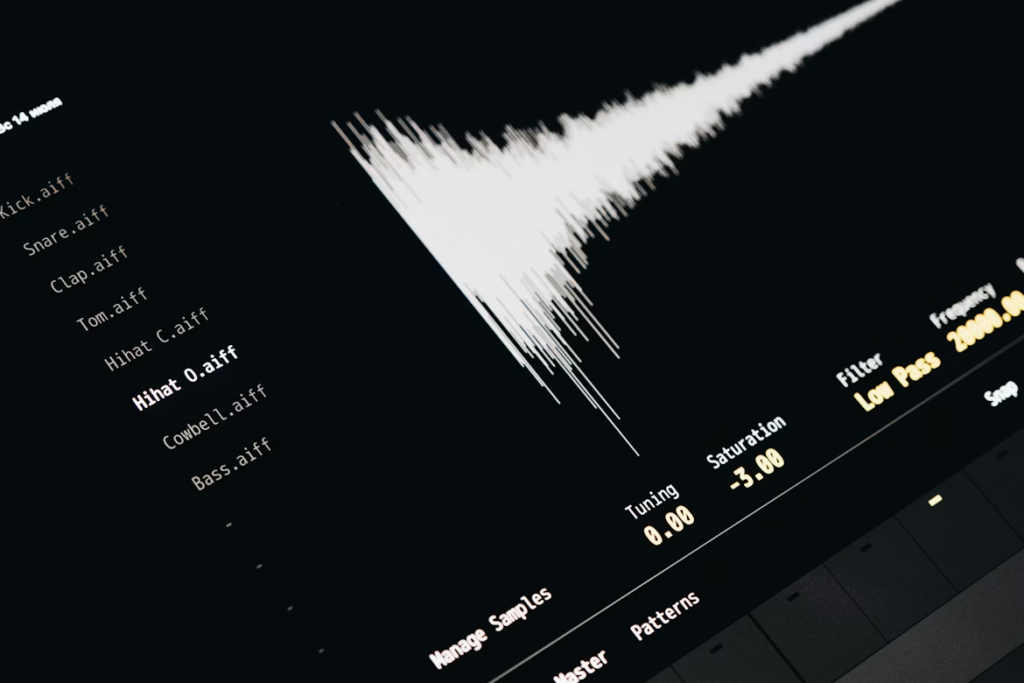
AI music discovery compared with human music curation
The Future of AI Music Discovery
AI music discovery has undeniably improved accessibility and personalisation in streaming platforms. It allows listeners to navigate vast music libraries effortlessly.
However, algorithms excel at prediction, not empathy. To preserve the emotional richness of music, platforms must combine machine intelligence with human insight.
The future of music discovery should not be purely algorithmic. Instead, it should integrate efficiency with emotional awareness. By understanding the strengths and limitations of AI music discovery, listeners can engage more consciously with the systems shaping what they hear.