Jewelry is a fascinating subject for both research and digital marketing, as it is more than a simple fashion statement. It is a cultural anchor in South Asia. To understand this tradition, we must look at Pakistani jewelry history. This passion for gold reflects a civilization that has used adornment for thousands of years. Consequently, these pieces help us celebrate milestones and social identity.
The Creation of Ancient Adornments:
The jewelry origins of the region date back to the Indus Valley Civilization. The passion creators in ancient cities were master craftsmen. They worked with carnelian, agate, and gold. Furthermore, archaeologists have found beads and bangles that look like modern designs. This early skill set the stage for our region’s obsession with high-karat gold.
Development Through the Mughal Era:
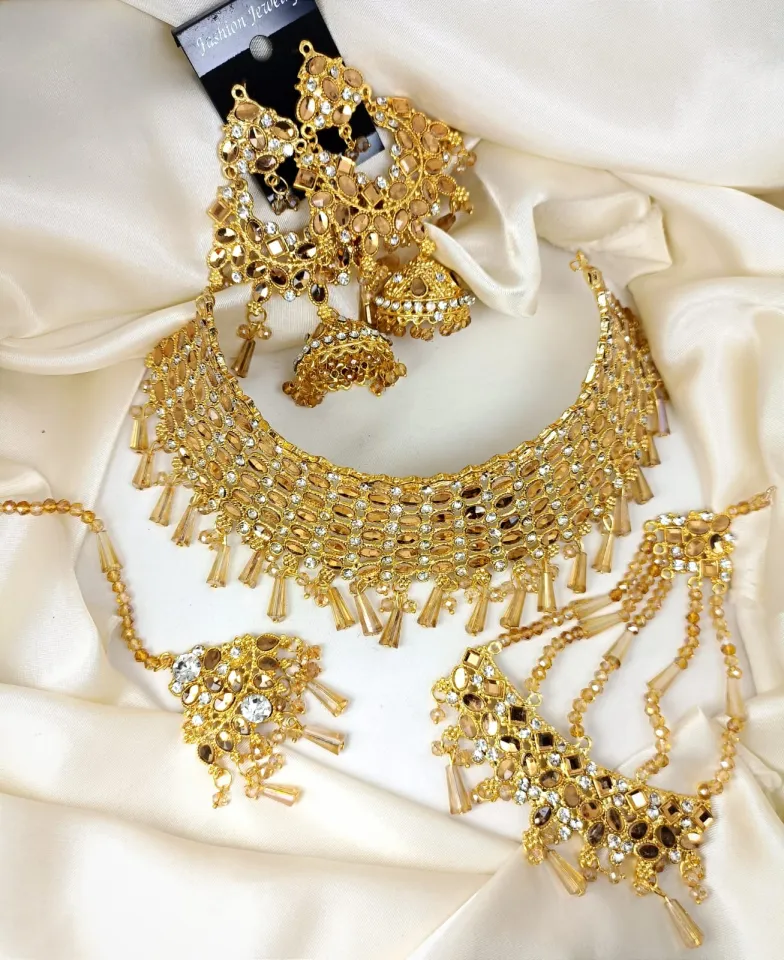
The most significant development in the history of jewelry in Pakistan came during the Mughal Empire. This era introduced the world to Kundan and Meenakari—technique involving setting refined gold with gemstones and vibrant Mughal emperors were known for their love of symbolism, often incorporating floral motifs and Islamic geometry into their crowns and necklaces. During this time, jewelry became a symbol of both religious devotion and imperial power, evolving into the heavy, elaborate styles still seen in traditional weddings today.
Jewelry Passion Today:
In 2026, passion today is a blend of traditional craftsmanship and modern ethics. While the “Big Fat Wedding” culture keeps the demand for traditional gold sets high, younger generations in Pakistan and the diaspora are moving toward minimalist, everyday pieces. We are also seeing a rise in “Ethical Gold” and lab-grown stones as consumers become more conscious of sustainability. Social media platforms like Instagram have allowed local artisans to reach a global audience, making traditional Pakistani motifs a viral trend in the international fashion world.
Furthermore, the digital landscape in 2026 has transformed how we engage with heritage. Other social media platforms like TikTok and Facebook have become the new ‘marketplaces’ for trend discovery, where traditional Pakistani jewelry styles frequently go viral globally. This online visibility has encouraged a resurgence of ‘fusion’ jewelry—pieces that blend heavy Mughal-era aesthetics with modern, wearable designs. For the Pakistani diaspora and local youth alike, these digital trends have made cultural adornment more accessible and trendy, effectively bridging the gap between ancient craftsmanship and modern daily life.
Conclusion: What Jewelry Means to Me:
For me, jewelry is a bridge between my home in Pakistan and my life in France. While I do not wear gold myself, Still jewelry holds a special place in my life through the women I cherish. Seeing my mother and specially my wife wear gold-made jewelry is a reminder of our deep-rooted traditions and their love for our cultural heritage. For them, these pieces are a source of joy and pride, and for me, seeing my wife wearing them is a way to appreciate the timeless beauty and craftsmanship of our history. It is a shared passion that connects our family to the stories of the past. Understanding Pakistani jewelry history allows us to cherish these traditions even more.
Tamoor HASSAN