Luxury jewelry is more than a refined accessory; it is a reflection of civilization, power, artistry, and personal identity. Across centuries, fine jewelry has symbolized status, spirituality, and emotional value. From ancient empires to contemporary fashion houses, the passion for rare metals and precious stones continues to evolve while preserving its timeless essence.
The Creation of Ancient Adornments
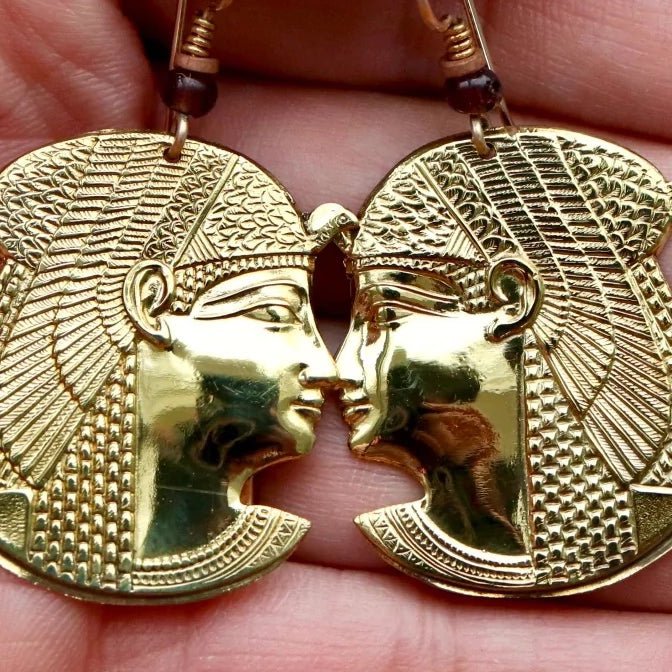
The origins of luxury jewelry can be traced back to ancient civilizations where adornment represented divine connection and social hierarchy. In Ancient Egypt, gold was considered sacred the “flesh of the gods.” Pharaohs and elites wore elaborate necklaces, bracelets, and crowns to symbolize immortality and authority.
Similarly, in Ancient Rome and Ancient Greece, gemstones and fine metals expressed wealth, political influence, and refined taste. Early craftsmen mastered techniques such as engraving, stone setting, and metal casting, laying the foundations for what would later become high jewelry artistry.
These ancient creations transformed jewelry from simple decoration into a powerful cultural statement.
Development Through Royal Courts and Iconic Maisons
During the Middle Ages and the Renaissance, European royal courts elevated jewelry into a symbol of dynastic power. Monarchs commissioned exceptional pieces to display prestige and political influence. Craftsmanship became more sophisticated, incorporating diamonds, sapphires, emeralds, and intricate metalwork.
The 19th century marked a turning point with the emergence of legendary maisons such as Cartier, Boucheron, and Van Cleef & Arpels. These houses transformed jewelry into wearable art, combining innovation, heritage, and exclusivity.
Luxury jewelry became associated not only with wealth but with craftsmanship excellence and artistic identity.

Luxury Jewelry in 2026: Heritage Meets Innovation
In 2026, luxury jewelry reflects a balance between tradition and modern values. While diamonds and high-karat gold remain central to high jewelry collections, contemporary consumers seek more than brilliance they value storytelling, sustainability, and authenticity.
Ethical sourcing, recycled gold, and lab-grown diamonds are redefining the industry. Digital platforms such as Instagram and TikTok have reshaped how luxury brands communicate, allowing heritage maisons to connect with younger audiences worldwide.
Luxury jewelry today is no longer reserved exclusively for royalty; it symbolizes personal achievement, individuality, and self-expression. From statement pieces to minimalist everyday designs, modern creations reflect evolving lifestyles while honoring centuries of craftsmanship.

Conclusion
Luxury jewelry represents the perfect dialogue between ancient artistry and modern innovation. Each piece carries history shaped by civilizations, refined by royal patronage, and reinvented by contemporary designers.
Beyond its material value, luxury jewelry captures emotion, milestones, and identity. It transforms rare materials into lasting memories.
From ancient origins to modern expression, the passion for luxury jewelry remains timeless continuously evolving, yet forever rooted in heritage.
VIOLLON BAPTISTE