By Isabella Saavedra
Introduction
The history of real estate started when people began settling on land to live, farm, and build communities. As populations grew, land became valuable and ownership rules were needed to avoid conflict. Over time, these rules evolved into organized systems, turning land and property into assets that could be owned, sold, and invested in, shaping the real estate industry we know today.
§1: Creation of Real Estate
The history of real estate began in ancient civilizations, where land ownership was a representation of wealth, status, and power. The first known property sale was on a Sumerian clay tablet from 3000 BCE, which recorded the sale of a house. Back then, these deals were detailed and clear, and consisted of witnesses and descriptions. Civilizations like Mesopotamia, Egypt, and Rome developed laws, measurements, and records to manage ownership. In Egypt, knotted roped were used to measure land parcels along the Nile, while Roman registries kept detailed records. These ancient practices laid the foundation for the modern idea that property assets should have proper documentation and official records.

§2: Development
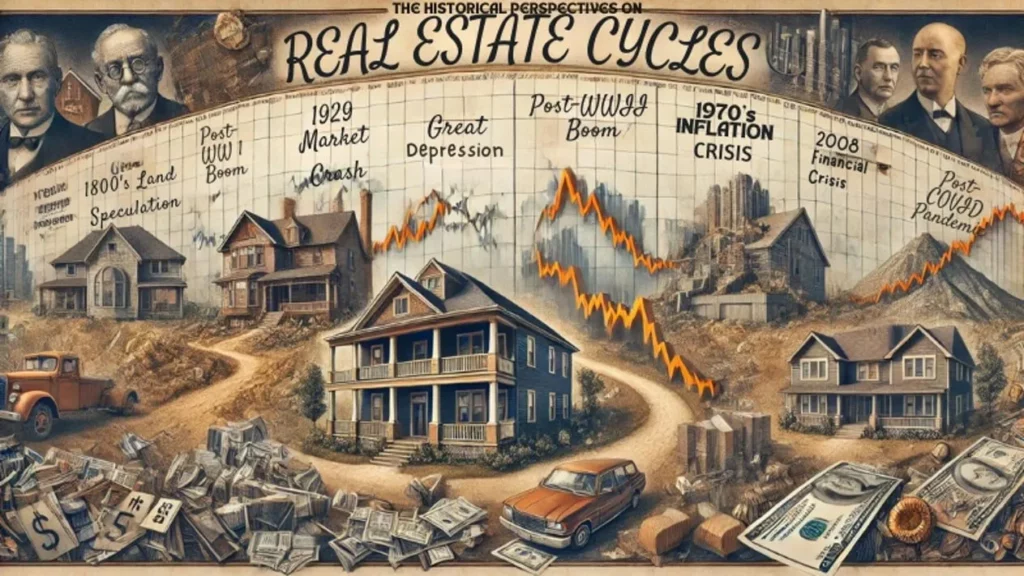
From the 1930s to the 1980s, the history of real estate in America had major changed and development. The Great Depression was the main cause of this, as rates were increasing and property values were dropping. People were losing their homes because they couldn’t pay their mortgages, and homes and land were worth less than before. The government had to step in and make mortgages more affordable and accessible. After World War II demand increased as veterans were looking for homes for their families. The 1968 Fair Housing Act ended discrimination in housing, while new laws added consumer protections and lending rules. Finally, in the 1980s, technology was brought into the industry. Computers, digital databases, and calculators were making transactions faster and more efficient and laid the groundwork for today’s world.
§3: Real Estate Today
Today’s real estate is full of tools and technology that makes buying and selling property easier. The internet is the perfect platform for online listings and having access to the real time market. Technological advances such as virtual tours, 3D walkthroughs, and drones make it easier for people to explore properties without the need to visit the site in person, while e-signatures and digital document makes it easier and more efficient to sign deals. Also, buyers can compare mortgage rates, calculate payments, and choose from many financing options. Real estate has become a huge industry, with talented sellers and agents that use local knowledge, negotiation skills, and guidance to seal deals and help people fins the best home based on their needs.
What Real Estate Means For Me
For me, real estate is the way people find and finance their perfect home. The history of real estate reveals how housing systems have evolved in response to economic, social, and technological changes over time. Real estate centres on helping people navigate complex decisions, connect with the right properties, and access financing options. It’s about guiding individuals and families toward spaces where they can live comfortably, grow, and create lasting memories.
Resources
The evolution of Real Estate. (n.d.-a). https://raleighrealty.com/blog/history-of-real-estate