Sunglasses were not always about style. In fact, for most of their existence, they were purely practical objects. So how did they become one of the most recognizable luxury accessories in fashion? By following a clear timeline, this article explores the evolution of sunglasses, showing how protection slowly gave way to personality, prestige, and pleasure right at the heart of luxury culture.
Early origins (Pre-1900): when function came first
The story of Luxury Eyewear History begins long before fashion houses and runways. Ancient societies already understood the need to protect the eyes from intense light. Roman emperor Nero is said to have watched gladiator fights through polished emeralds, while Inuit communities designed bone-made snow goggles to avoid snow blindness.

At this stage, eyewear had one goal: usefulness. Appearance simply did not matter. Even when tinted lenses appeared in the late 19th century, sunglasses were associated with health and vision rather than style. This purely functional phase defines the foundations of eyewear history, before aesthetics entered the conversation.
1930s–1970s: cinema, culture, and cool
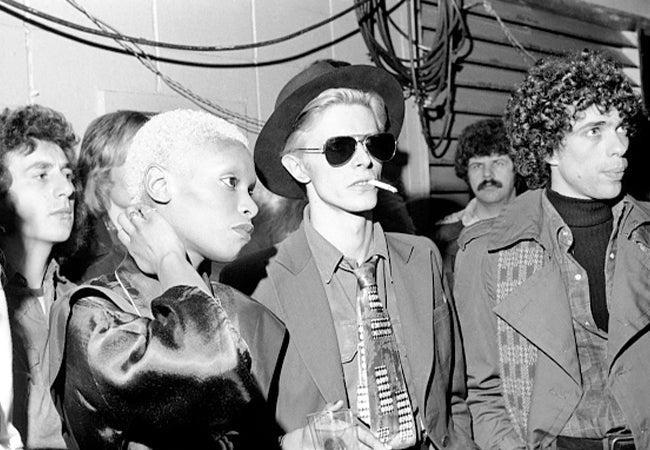
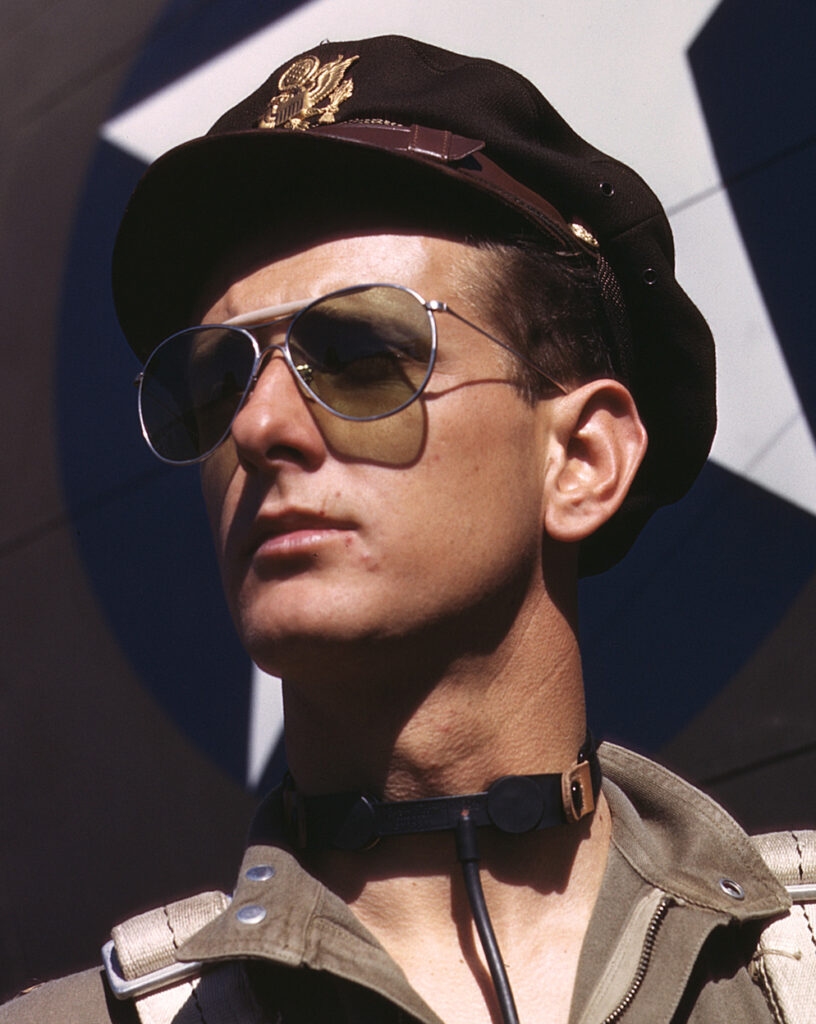
Everything changed in the 1930s. With the rise of Hollywood, sunglasses stepped into the spotlight. Actors wore them both on and off screen, turning practical eyewear into objects of desire. Aviator sunglasses, originally created for pilots, suddenly became fashionable.
The 1950s brought glamour. Audrey Hepburn and Marilyn Monroe made sunglasses elegant, expressive, and instantly recognizable, especially through cat-eye designs.
In the 1960s and 1970s, frames grew larger, lenses darker, and styles bolder. Sunglasses began reflecting attitudes, freedom, and rebellion. This era firmly positioned them within fashion accessory evolution.

1980s–2000s: logos, labels, and luxury
By the 1980s, sunglasses entered a new phase: branding. Designer houses realized that eyewear was the perfect luxury gateway product : visible, desirable, and emotionally charged. Films like Top Gun helped turn aviators into global icons, while logos became status signals.
In the 1990s and early 2000s, consumers no longer bought sunglasses just for protection. They bought them for what they represented. This period marks the moment designer sunglasses became firmly embedded in the luxury fashion industry.
2010s–today: identity in the digital age
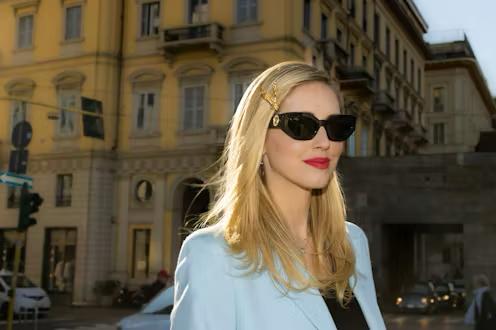
Today, sunglasses play a central role in how we present ourselves : both offline and online. Luxury brands such as Gucci, Dior, and Prada use eyewear as bold creative statements, experimenting with oversized frames, unusual colors, and futuristic silhouettes