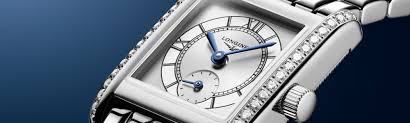
The history of luxury ladies’ watches is a fascinating journey. Long regarded as merely a decorative accessory, the ladies’ watch has evolved over the years…
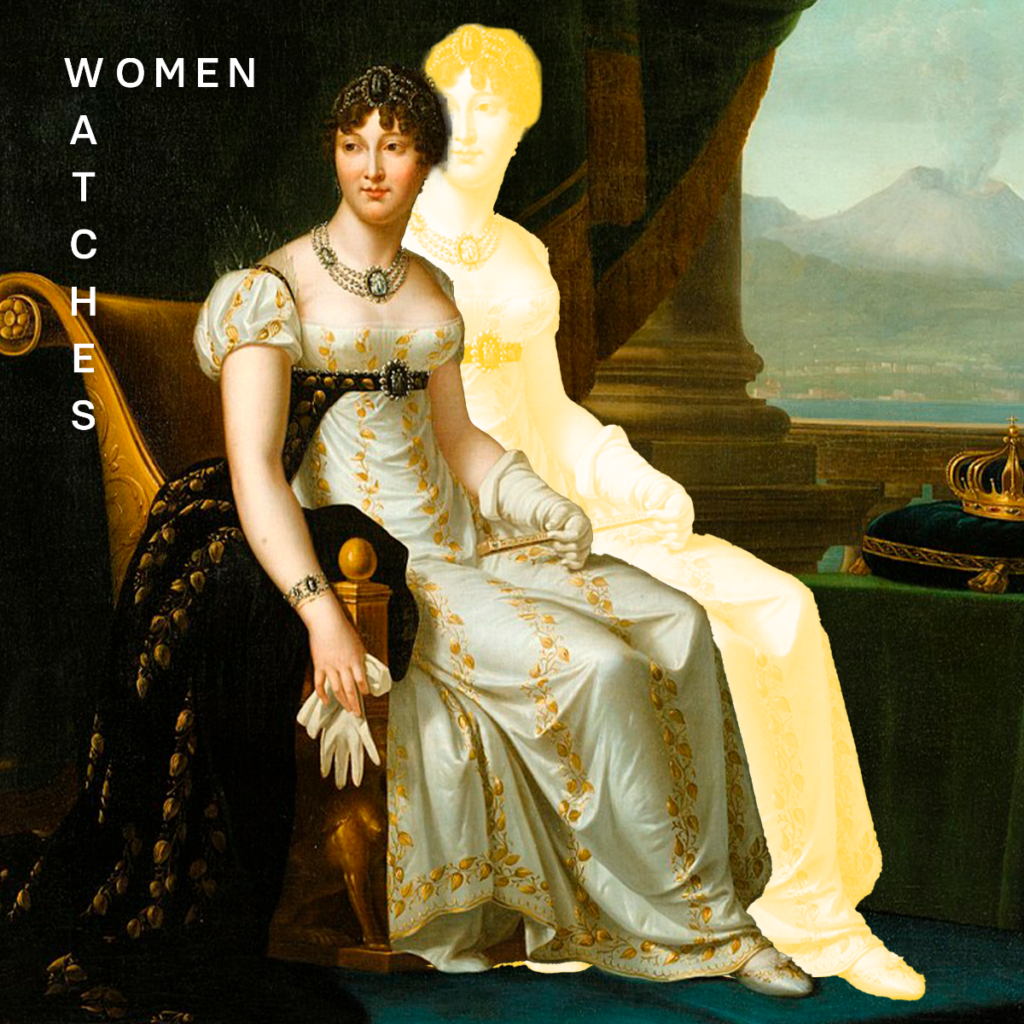
Origins: the watch as a piece of women’s jewellery
In the 19th century, the first wristwatches designed for women appeared long before they became popular among men. At the time, they were conceived as exquisite pieces of jewellery, often set with precious stones. From as early as 1868, houses such as Patek Philippe were creating ladies’ models, combining jewellery design with artisanal craftsmanship. Studying this period is essential to understand the history of luxury ladies’ watches, as it highlights their initial role as purely ornamental objects.

Development: the emergence of women in modern watchmaking
At the start of the 20th century, women began wearing more functional watches, suited to a more active lifestyle. Art Deco influenced their design: geometry, elegance and modernity. Cartier, Jaeger-LeCoultre and Rolex produced iconic models, designed to combine precision and style. The watch became a technical object, but also a means of asserting an identity: sporty, elegant or avant-garde.
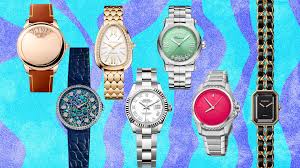
Today: the luxury watch as a form of self-expression
Since the 2000s, women have no longer been content with simply smaller versions of men’s models. They are looking for mechanical watches, practical complications, and bold designs. Watchmakers are developing dedicated collections: a range of case sizes, contemporary materials (rose gold, ceramic, polished steel), and high-precision automatic movements. Today, the history of luxury ladies’ watches continues to unfold as these timepieces become a symbol of independence, success, and good taste.