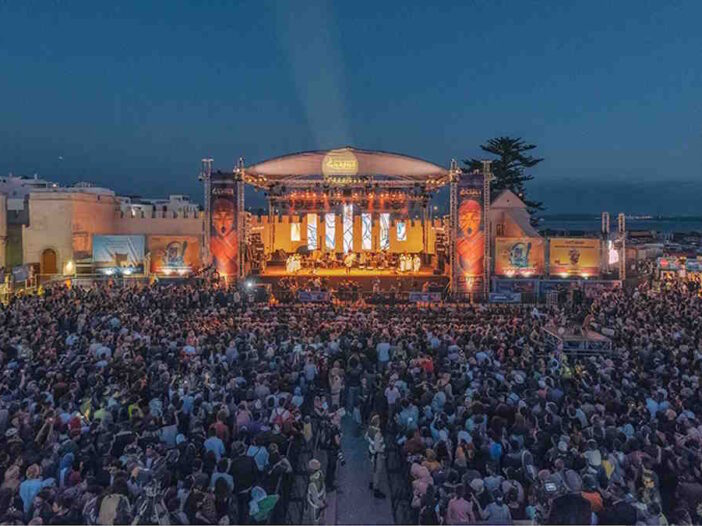
Moroccan music is one of the most diverse soundscapes in North Africa. It blends Arab, Amazigh (Berber), African, and Andalusian influences into rhythms that travel across generations. From spiritual trance ceremonies to modern festival stages, Moroccan music continues to evolve. At Vinyl Vibe, exploring Moroccan music means discovering a culture where tradition and innovation meet through rhythm, poetry, and collective celebration.
Origins of Moroccan Music
The history of Moroccan music reflects centuries of cultural exchange. Influences from Arab traditions, Amazigh communities, and Sub-Saharan African heritage all helped shape its distinctive sound. One of the most famous styles is Gnawa music, which developed from West African traditions brought to Morocco centuries ago. The genre combines ritual chanting, percussion, and the deep tones of the three-stringed gimbri bass lute. Gnawa performances often take place during spiritual ceremonies called lila, where music, dance, and rhythm guide participants into trance states for healing and connection.
Other classical forms, such as Malhun, mix poetry and music in performances that have been heard in Moroccan cities for generations. These traditions show how Moroccan music evolved through storytelling, spirituality, and community expression.
Development and Cultural Influence
Over time, Moroccan music expanded into new styles that reflect everyday life and social change. Chaabi music, often called the “music of the people,” emerged from urban neighborhoods and folk traditions. It is widely played at weddings, festivals, and celebrations, using instruments like the oud, violin, and percussion. Lyrics in the Moroccan Arabic dialect (Darija) often explore love, humor, and social issues.
Another influential genre is Raï, which mixes traditional rhythms with Western instruments such as electric guitars and synthesizers. Though it originated in neighboring Algeria, it became popular in Moroccan cities, especially among younger audiences. Raï songs often address social realities and personal struggles, reflecting changing cultural conversations across North Africa.
Together, these genres show how Moroccan music constantly adapts while staying connected to its roots.
Moroccan Music Today
Today, Moroccan music thrives both locally and globally. Traditional sounds are now fused with jazz, electronic music, hip-hop, and pop. Festivals such as the Gnawa and World Music Festival in Essaouira attract international audiences and highlight Morocco’s influence on global music culture.
At the same time, Moroccan artists continue to experiment with new sounds and collaborations. Streaming platforms and social media have made it easier than ever for listeners around the world to discover Moroccan music. This digital exposure has helped new artists bring regional sounds to global audiences while preserving cultural identity.
Conclusion
Moroccan music tells the story of a nation shaped by migration, spirituality, and artistic expression. From the hypnotic rhythms of Gnawa to the energetic beats of Chaabi and modern fusion sounds, it continues to evolve while honoring its heritage. At Vinyl Vibe, Moroccan music represents the perfect example of how tradition and innovation can coexist, creating a sound that resonates far beyond its borders.